Non surgical acne scar treatment in Delhi at DermaTales, Patel Nagar. Chemical peels, microneedling and laser resurfacing under Dr. Pooja Varshney.
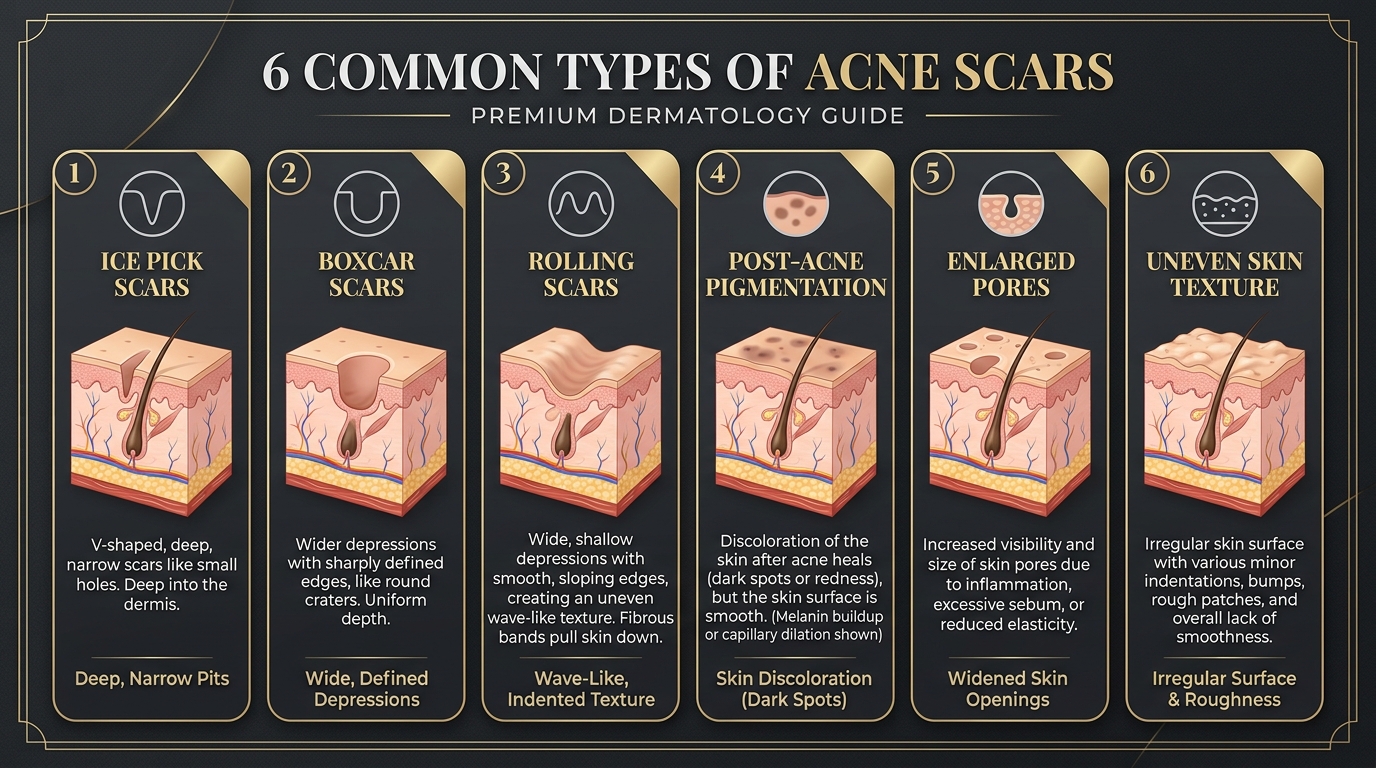
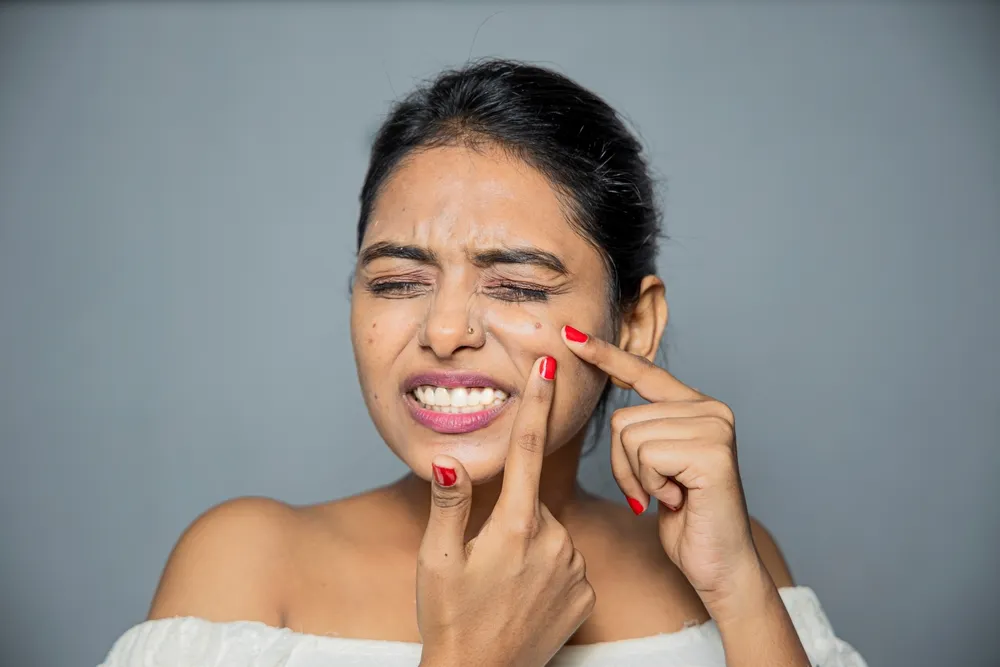
Not everything left behind after a breakout is actually a scar. A lot of what patients bring in as acne scarring is really post inflammatory pigmentation, flat marks that fade with time and the right topical routine. True acne scars are structural, a physical dent or pit where collagen was damaged during healing, and that difference changes everything about how it should be treated. At DermaTales in Patel Nagar, Delhi, every acne scar consultation starts by figuring out which one you actually have, under the supervision of Dr. Pooja Varshney, MD Dermatology.
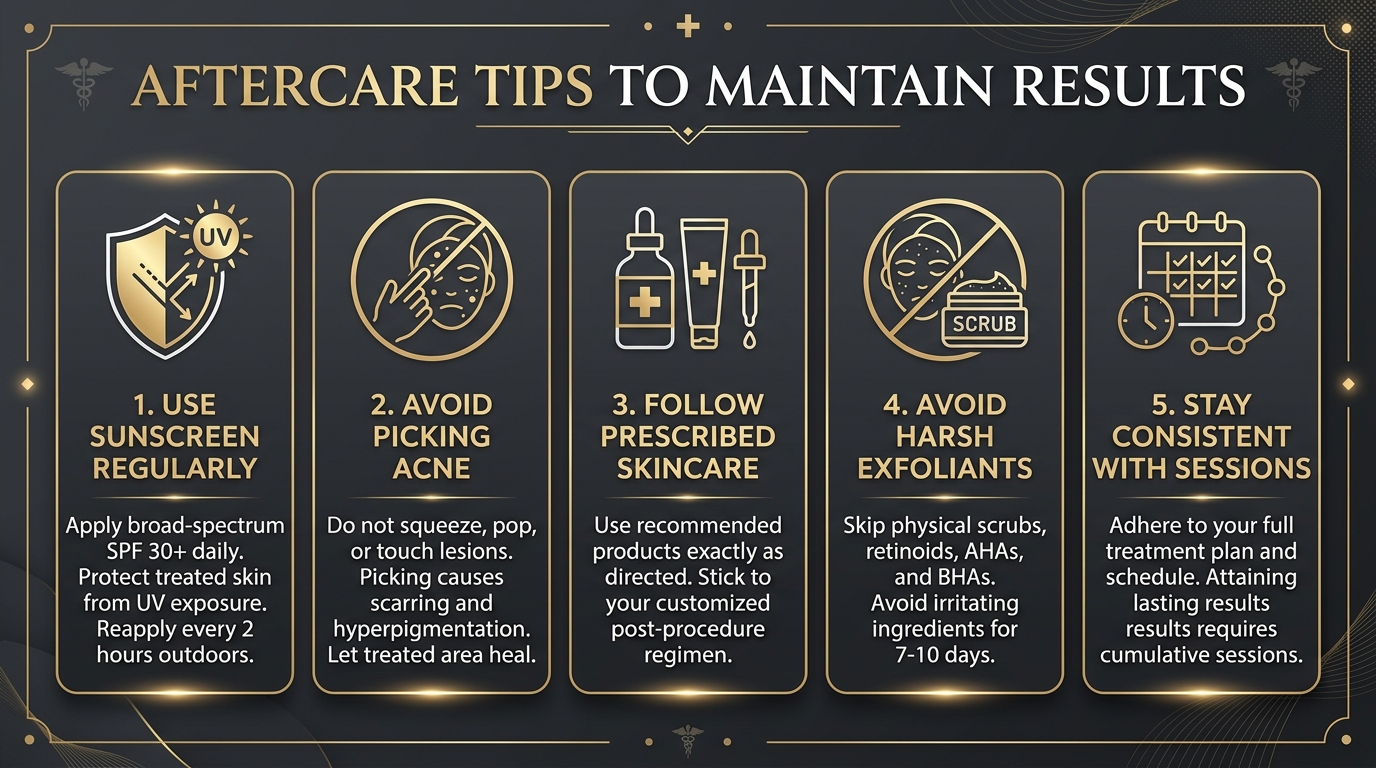
Pigmentation left behind by acne is flat and usually brown, red, or purple, and it sits on the surface of the skin. It responds well to chemical peels, topical actives, and consistent sunscreen use, and in many cases it fades on its own over several months even without treatment.
A true scar is different. Icepick, boxcar, and rolling scars all involve a physical loss of tissue or a change in the skin's texture, which means no cream or serum reaches deep enough to correct them. These need a procedure that works at the level where the damage actually happened, whether that is microneedling stimulating new collagen, a resurfacing laser, or a deeper peel.
Getting this distinction wrong is one of the most common reasons patients feel like they have "tried everything" without results. Treating a structural scar with only topical products was never going to work, and treating simple pigmentation with an aggressive procedure is usually more than it needs.
If marks from old breakouts have not faded after six months of consistent skincare and sun protection, it is worth having them properly assessed rather than continuing to wait. Textural changes you can feel with a fingertip, a slight dip, a rough patch, a shadow that shows up under makeup or in photographs, are signs of a true scar rather than surface pigmentation. Scarring that has been present for years and has plateaued, showing no further change either way, is also a good reason to seek a treatment plan rather than continued observation.
Every acne scar treatment plan at DermaTales starts with a skin assessment under proper lighting to identify scar type, depth, and whether what you are seeing is scarring at all or residual pigmentation. Skin tone is factored in from the start, since Indian skin carries a higher risk of post inflammatory pigmentation if a treatment is too aggressive for the scar it is treating. From there, a session plan is built around your specific combination of concerns rather than a single fixed package applied to everyone.
A controlled acid solution is applied to exfoliate the outer layer of skin, fading surface pigmentation and gently improving mild textural irregularities. Peels work well as a standalone treatment for shallow marks and are frequently combined with microneedling for deeper concerns.
Fine needles create controlled micro injuries in the skin, triggering the body's own collagen production to gradually fill in shallow to moderate rolling and boxcar scars. This is one of the better studied options for Indian skin specifically, with combination protocols using microneedling alongside a peel showing stronger results than microneedling alone.
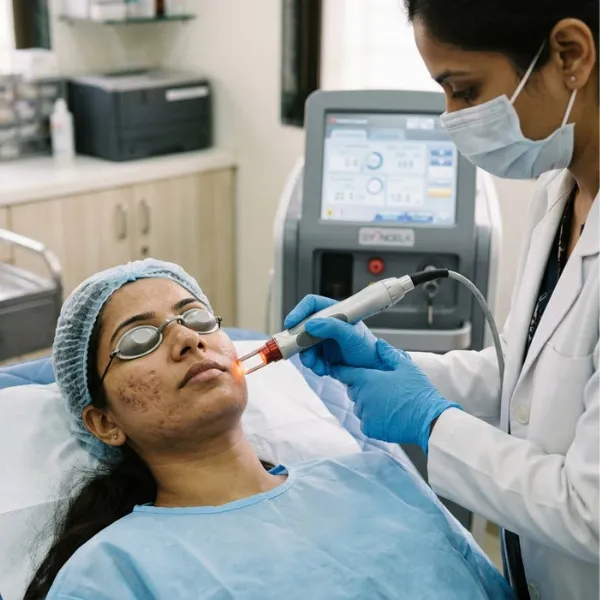
Fractional laser treatment targets deeper texture and tone irregularities layer by layer, encouraging new collagen formation without damaging the surrounding skin. This tends to suit patients with more established textural scarring who need a stronger stimulus than peels or microneedling alone can provide.
Many patients see the best outcome from a planned combination, a peel to manage pigmentation alongside microneedling or laser to address texture, sequenced across sessions rather than performed all at once. This is decided during your assessment based on what your skin actually needs.
For scars with deep tethering or true pitting that these approaches cannot fully resolve, our Acne Scar Surgery page covers subcision, TCA CROSS, and punch excision, which are usually the next step once non surgical options have been assessed as insufficient.
Non surgical acne scar treatment is priced per session and depends on which technique or combination is used, how many areas need treatment, and how many sessions your scar type typically requires. A course of chemical peels costs differently than a microneedling and peel combination, and laser resurfacing sits in a different bracket again. At DermaTales, exact costing is only shared after your assessment, once your actual treatment plan is known, rather than quoting a generic package price upfront.
Chemical peels show visible improvement in pigmentation gradually across a course of sessions, typically spaced two to four weeks apart. Microneedling needs a similar interval between sessions, with noticeable texture improvement usually appearing after two to three sessions and continued improvement building for several months afterward as new collagen forms. Laser resurfacing results also build progressively, with full benefit typically visible some months after a completed course rather than immediately. Most patients need four to six sessions of their chosen technique or combination, and this is discussed clearly during your consultation.
Acne scarring responds very differently depending on what is actually causing it, and a plan that does not start with that distinction is starting in the wrong place.
Assessment distinguishes true scarring from residual pigmentation before any treatment is chosen.
Combination protocols planned in advance rather than adjusted session to session.
Techniques selected with Indian skin tone in mind to reduce pigmentation risk.
Care supervised by Dr. Pooja Varshney, MD Dermatology.
Located in Patel Nagar, accessible for patients across Central Delhi including Karol Bagh, Rajinder Nagar, and Punjabi Bagh.
If active breakouts are still occurring alongside old scarring, our Acne Treatment page addresses the underlying acne itself, since new scarring can continue to form until active acne is under control. For overall resurfacing needs beyond scarring alone, see our Pico Laser Treatment page.
If old acne marks have not faded, or you are unsure whether what you are seeing is true scarring or residual pigmentation, an in person assessment is the fastest way to find out what your skin actually needs. Book an appointment with Dr. Pooja Varshney for a proper evaluation and a treatment plan built around your specific scars.