CoolSculpting Treatment in Gurgaon
CoolSculpting is a non-surgical body-contouring procedure that uses controlled cooling, known as cryolipolysis, to target selected pockets of fat beneath the skin. It may be an option for adults who are close to a stable weight but have localised fat bulges that remain despite a balanced diet and regular physical activity.
At Dermatales Skin Clinic in Sector 31, Gurgaon, individuals considering CoolSculpting can seek a clinical assessment to understand whether this approach is appropriate for their body-contouring concerns. Treatment suitability depends on the area being considered, fat distribution, skin condition, medical history and individual expectations.
CoolSculpting is intended for localised fat reduction, not substantial weight loss. A consultation helps clarify the potential benefits, limitations, risks and alternative treatments before making a decision.
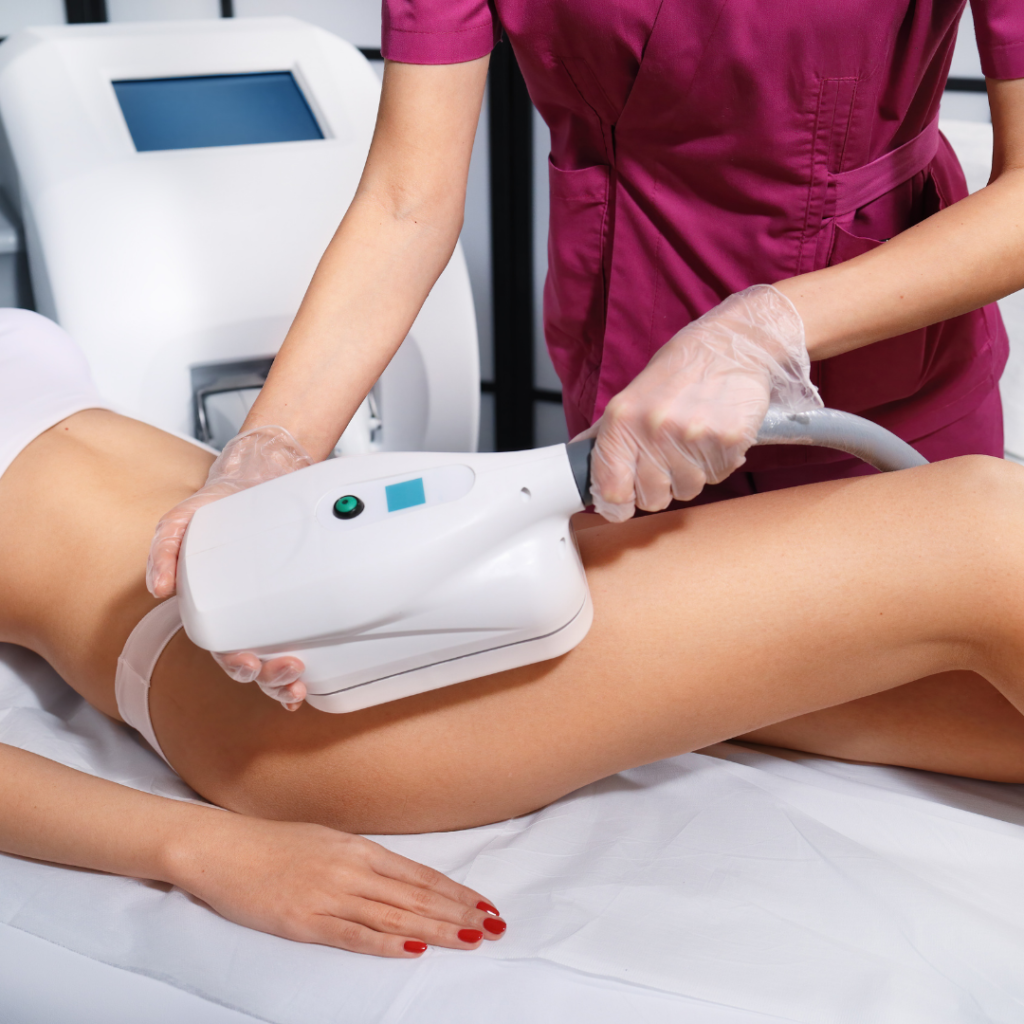
What Is CoolSculpting Treatment?
CoolSculpting is a branded form of cryolipolysis, commonly referred to as fat freezing. It uses controlled cooling to damage susceptible fat cells in a selected area. The body gradually processes the affected cells, which may lead to a reduction in the visible fat bulge over time.
Unlike surgical fat removal, cryolipolysis does not involve surgical incisions. However, non-surgical does not mean risk-free, and the amount of visible change varies from person to person.
The procedure is designed for selected pockets of subcutaneous fat, which is the fat located beneath the skin. It does not directly target visceral fat surrounding internal organs, treat obesity or remove excess skin.
People exploring body-contouring options can also review the aesthetic and body treatment services available at Dermatales to understand the different approaches that may be relevant to their concerns.
How Does CoolSculpting Work?
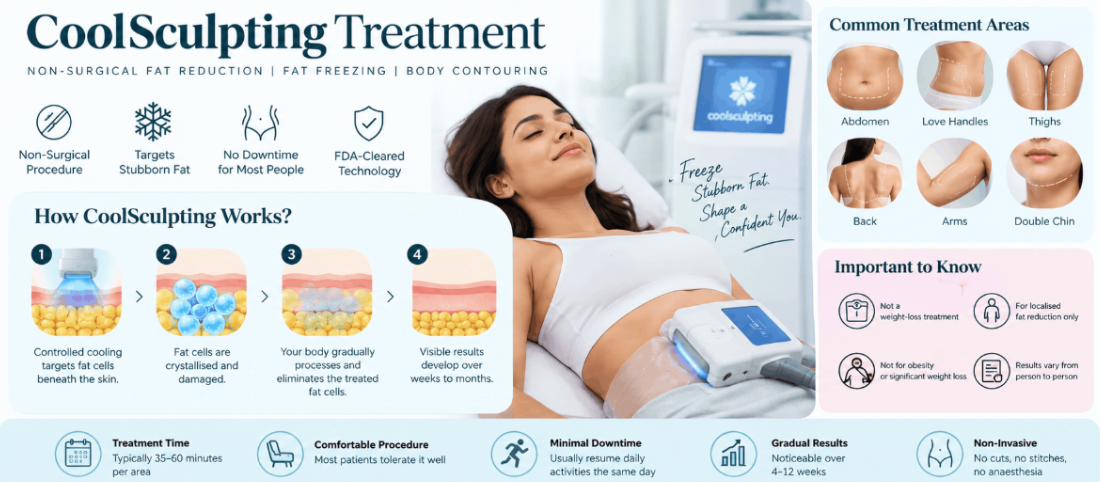
CoolSculpting uses controlled cooling to target susceptible fat cells in a selected treatment area. Following the procedure, the body gradually processes the affected cells over time. Any visible contour change develops progressively rather than immediately.
The process generally involves the following steps:
Assessment of the treatment area
The clinician examines the localised fat bulge and determines whether it is suitable for cryolipolysis.
Applicator selection
An appropriate applicator is selected according to the treatment area and the device's permitted indications.
Controlled cooling
The applicator delivers cooling according to the manufacturer's instructions and the planned treatment protocol.
Gradual response
The body processes the affected fat cells over the following weeks, and the degree of visible change varies between individuals.
Follow-up assessment
The clinician evaluates the response and discusses whether any further treatment or an alternative approach is appropriate.
The treatment plan should be based on the specific device available, the intended treatment area and the individual's clinical assessment. Not every device or applicator is suitable for every body region.
Which Body Areas May Be Treated With CoolSculpting?
Depending on the specific device and its authorised or cleared indications, cryolipolysis may be considered for selected localised fat bulges in areas such as:
1. Abdomen
Localised subcutaneous fat around the abdomen may be assessed for suitability. CoolSculpting is not intended to treat abdominal fat related to internal organs or replace weight-management care.
2. Love Handles and Flanks
Some people have localised fat bulges along the sides of the waist. An assessment can help determine whether the area is appropriate for the available applicator.
3. Thighs
Selected areas of inner or outer thigh fat may be considered, depending on the device, tissue characteristics and treatment protocol.
4. Upper Arms
Localised fat around the upper arms may be assessed for treatment. However, if the main concern is loose skin rather than fat, cryolipolysis may not address the underlying issue.
5. Back and Bra-Line Area
Certain localised fat bulges around the back may be suitable for assessment, provided the specific device and applicator are indicated for the intended area.
6. Under-Chin Area
Some cryolipolysis systems have applicators designed for submental fat. This treatment should only be considered when the device is indicated for the area and a clinician confirms suitability.
The appropriate treatment area cannot be determined from appearance alone. A physical examination helps distinguish localised fat from skin laxity or other causes of contour changes.
Who Is a Suitable Candidate for CoolSculpting?
CoolSculpting may be considered for adults who have a relatively stable weight and a clearly identifiable pocket of subcutaneous fat. It is generally intended for body contouring rather than significant weight reduction.
A clinical assessment may consider:
Being interested in fat freezing does not automatically mean someone is a suitable candidate. The clinician should explain the likely limitations and discuss whether an alternative treatment, weight-management approach or no procedure would be more appropriate.
Who Should Avoid CoolSculpting or Seek Medical Assessment?
Cryolipolysis is not appropriate for everyone. Certain cold-related conditions can make exposure to cold unsafe, while other medical or local conditions may require additional assessment.
People with conditions such as cryoglobulinaemia, cold agglutinin disease, paroxysmal cold haemoglobinuria, cold urticaria or Raynaud's phenomenon should disclose these conditions before considering treatment. Poor circulation in the intended treatment area also requires careful evaluation.
Treatment should not be performed over a hernia or vulnerable tissue where the device instructions advise against it. Previous surgery, scars, reduced sensation and skin conditions in the treatment area should also be discussed.
Pregnancy should be disclosed to the treating clinician, and elective cosmetic treatment is generally deferred during pregnancy. Suitability during breastfeeding should be assessed individually.
This list is not exhaustive. The clinician must review the person's complete medical history and the current instructions for the specific device before recommending treatment.
What Happens During a CoolSculpting Session?
Initial Consultation
The clinician reviews the person's goals, medical history, previous procedures and the area of concern. This assessment helps determine whether cryolipolysis is suitable or whether another approach may better address the concern.
Treatment Planning
If treatment is considered appropriate, the intended area and applicator are selected according to the device's instructions. Expected outcomes, limitations, risks and alternatives should be discussed before informed consent is obtained.
Applicator Placement and Cooling
The skin is prepared according to the treatment protocol, and the applicator is positioned over the selected area. A protective interface may be used where required by the device. Controlled cooling is then delivered according to the manufacturer's instructions.
A person may experience cold, pulling, pressure, tingling or discomfort during treatment. The experience varies according to the treatment area and individual tolerance.
Completion and Follow-Up
After the cooling cycle, the applicator is removed and the treated area is assessed. The clinician explains expected short-term effects, aftercare instructions and symptoms that require medical attention.
The duration of a session depends on the device, applicator, number of cycles and treatment area. An exact duration should be confirmed during consultation.
What Results Can You Expect From CoolSculpting?
CoolSculpting is intended to produce a gradual change in a selected fat bulge. It does not provide immediate weight loss, and a specific degree of fat reduction cannot be guaranteed.
Some individuals may begin noticing changes over the following weeks, with further assessment often considered around two to three months. This is an approximate timeframe rather than a guaranteed result.
The outcome depends on several factors, including:
A single session should not be assumed to produce a particular result. Any additional treatment should be considered only after reassessment.
CoolSculpting does not prevent future weight gain, and it does not guarantee a permanent body shape. Maintaining a stable weight may help preserve body contours, but individual outcomes vary.
What Are the Risks and Side Effects of CoolSculpting?
Although CoolSculpting is non-surgical, it is a medical procedure with potential side effects and complications. Understanding these risks is an important part of informed consent.
Temporary effects may include redness, swelling, bruising, tenderness, pain, itching, tingling and changes in skin sensation. Some people may experience numbness that lasts for several weeks.
Less common but potentially significant complications include cold burns, persistent discomfort, skin changes and nerve-related symptoms.
What Is Paradoxical Adipose Hyperplasia (PAH)?
Paradoxical adipose hyperplasia, or PAH, is a recognised complication in which the treated fatty tissue becomes enlarged rather than smaller. The area may develop a firm, visible bulge months after treatment.
PAH may not resolve on its own and can require surgical correction. Patients should understand this risk before consenting to cryolipolysis.
Treatment over unsuitable areas may also cause injury to vulnerable tissue. The likelihood and severity of complications vary, so device-specific safety information and appropriate follow-up are important.
Patients should contact their treating clinician if they experience severe or worsening pain, significant skin changes, unexpected enlargement of the treated area or other concerning symptoms.
Recovery and Aftercare Following CoolSculpting
Recovery varies between individuals and treatment areas. Some people resume routine activities shortly after treatment, while others experience tenderness, swelling, bruising or altered sensation for longer.
Aftercare should follow the treating clinician's instructions and the manufacturer's protocol. Patients should:
It is not appropriate to guarantee that every patient will experience no downtime. Recovery expectations should be discussed before treatment.
CoolSculpting Cost in Gurgaon: What Affects the Price?
The cost of CoolSculpting in Gurgaon depends on the treatment area, applicator, number of treatment cycles and the plan recommended after clinical assessment.
The specific device available and any additional treatment areas may also affect the overall cost. A reliable estimate should be based on an individual assessment rather than a generic online price.
Before proceeding, patients should ask what is included in the quoted cost, whether follow-up assessment is included and whether any additional charges may apply if further treatment is considered.
No number of sessions or degree of fat reduction should be assumed from the price alone. Treatment decisions should be based on suitability, informed consent, realistic expectations and a clear understanding of the risks.
To discuss an assessment, contact Dermatales Skin Clinic in Gurgaon.
CoolSculpting vs Medical Weight Loss: Which Approach Is Appropriate?
CoolSculpting and medical weight management address different concerns.
CoolSculpting targets selected pockets of subcutaneous fat for body contouring. Medical weight management focuses on overall weight-related goals and may involve a broader assessment of health, lifestyle and medical suitability.
People concerned about overall weight should not assume that fat freezing is a substitute for weight-management care. Likewise, a person with a localised fat bulge may need an assessment to determine whether body contouring is appropriate.
At Dermatales, individuals can learn about available medical weight loss options at the Gurgaon clinic. Any medication-based treatment requires appropriate medical assessment, consideration of contraindications and ongoing clinical supervision.
The appropriate approach depends on individual health needs, treatment goals and the clinician's recommendations.
CoolSculpting vs Liposuction: Understanding the Difference
CoolSculpting and liposuction use different methods to address localised fat.
CoolSculpting uses controlled cooling without surgical incisions and produces a gradual, variable change in selected fat bulges. Liposuction is a surgical procedure that removes fat through a cannula and involves surgical risks, anaesthesia-related considerations and recovery.
Neither option is suitable for everyone. CoolSculpting should not be described as providing results equivalent to surgery, and liposuction is not a substitute for weight management.
The appropriate option depends on the amount and location of fat, skin laxity, overall health, expectations and willingness to undergo surgery. A qualified clinician can explain the benefits, limitations and risks of the relevant options.
For people exploring different aesthetic approaches, Dermatales' treatment overview provides information about its broader range of skin and aesthetic services.
Why Consider a Clinical Consultation at Dermatales, Gurgaon?
Choosing a body-contouring procedure begins with understanding the underlying concern rather than selecting a treatment based on a general promise.
Dr. Pooja Varshney holds MBBS and MD qualifications in Dermatology (Skin & VD), along with a Fellowship in Cosmetology. She has over 10 years of clinical experience in dermatology.
At Dermatales, a consultation can help assess whether a concern is related to localised subcutaneous fat, loose skin or another cause. This distinction is important because a fat-reduction procedure may not address every contour concern.
Before proceeding, patients should have an opportunity to discuss the specific device being used, treatment suitability, potential complications, expected recovery, likely limitations and available alternatives.
Learn more about Dr. Pooja Varshney and her clinical background.
Visit Dermatales Skin Clinic in Gurgaon
Individuals considering CoolSculpting can contact the clinic to enquire about the consultation process, treatment suitability and current arrangements.
Dermatales also has a Delhi clinic in Patel Nagar. Patients can find information about the Dermatales clinic in Gurgaon or the Dermatales clinic in Patel Nagar, Delhi.
To discuss your concerns and arrange an assessment, visit the Dermatales appointment page.
Frequently Asked Questions About CoolSculpting in Gurgaon
Medical Disclaimer
This page provides general educational information and is not a substitute for an individual medical consultation. The suitability, expected results, risks and alternatives for cryolipolysis must be assessed by an appropriately qualified clinician. Treatment should proceed only after review of relevant medical history, applicable device instructions and informed consent.
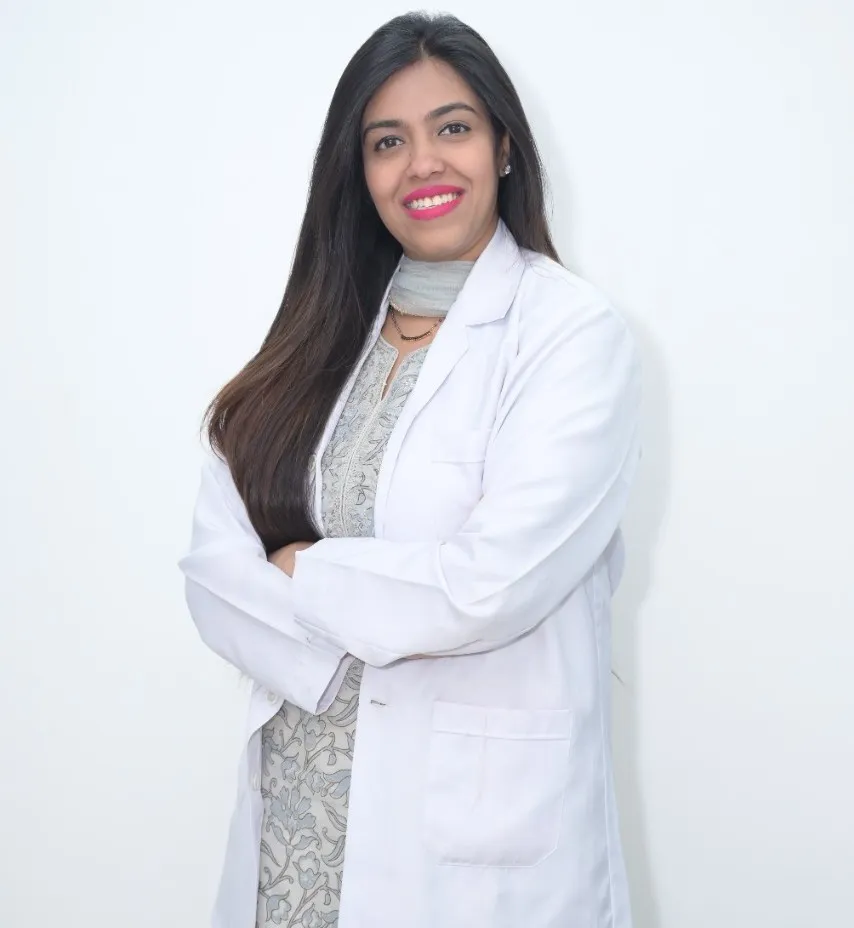
Dr. Pooja Varshney
Fellowship in Cosmetology with 10+ years of clinical expertise in dermatology and advanced cosmetic treatments.
Know MoreNeed immediate help?
WhatsApp Us