CoolSculpting Treatment in Delhi for Stubborn Fat Reduction
Struggling with stubborn belly fat, love handles, thigh fat or a double chin despite maintaining a healthy lifestyle? CoolSculpting Treatment in Delhi is a non-surgical body-contouring option that uses controlled cooling, known as cryolipolysis, to target selected pockets of fat without surgical incisions.
At Dermatales, East Patel Nagar, Delhi, Dr. Pooja Varshney, an MBBS, MD (Dermatology) specialist practising since 2015, brings expertise in dermatology and aesthetic treatments. She can help patients understand their body-contouring concerns and explore suitable treatment options through an individual assessment.
Whether you are concerned about lower-abdominal fat, love handles, thigh fullness or a double chin, the right approach depends on the cause of the concern, your medical history and your treatment goals. A personalised consultation can help determine whether fat freezing is appropriate, what results may realistically be expected, how many sessions might be required and what risks or alternatives should be considered. Cryolipolysis is intended for localised fat reduction, not significant weight loss or obesity treatment.
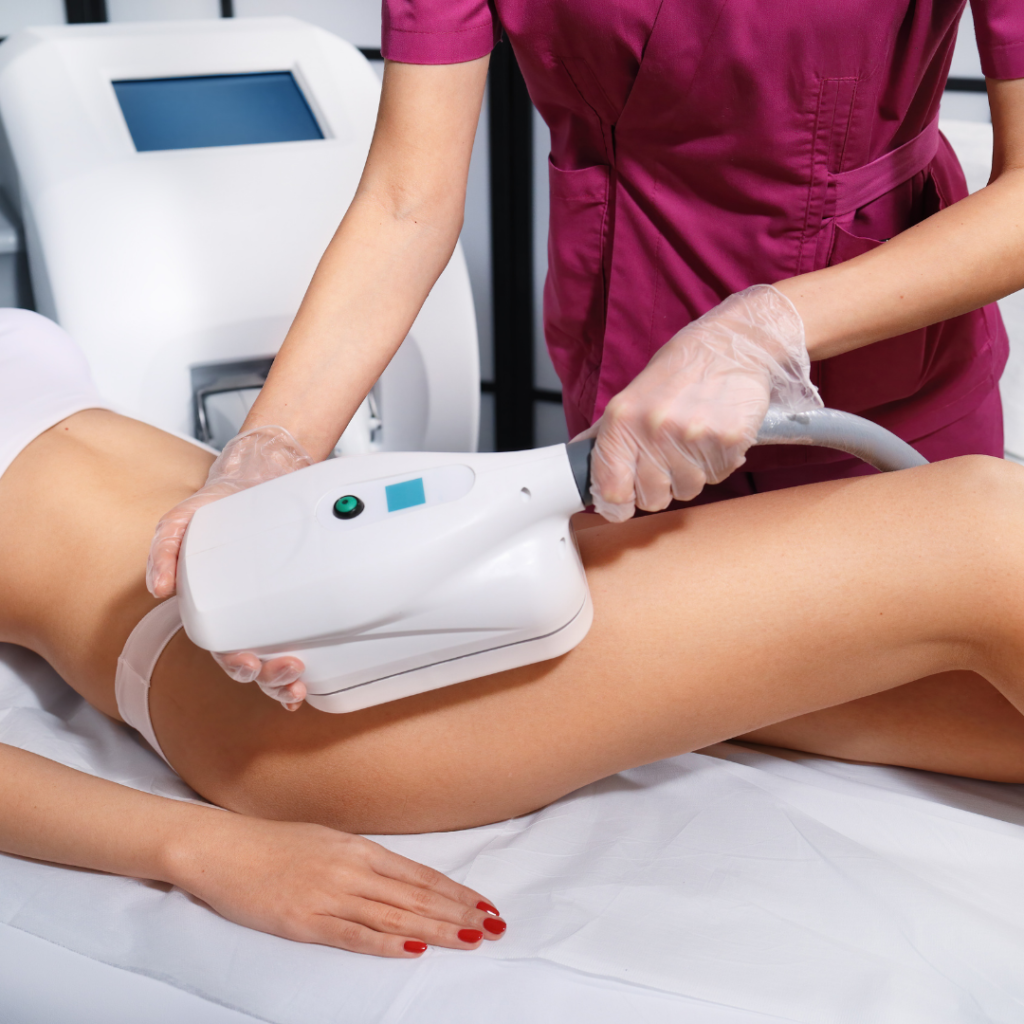
What Is CoolSculpting Treatment?
CoolSculpting is a branded form of cryolipolysis that uses controlled cooling to target selected pockets of fat beneath the skin. The body gradually processes the affected fat cells over the following weeks and months.
Unlike liposuction, this non-surgical procedure does not involve incisions. However, results vary, and treatment is not risk-free. Since other fat-freezing devices may differ in technology and treatment protocols, always confirm which device is being used and whether it is suitable for your needs.
Important Clinical Note
CoolSculpting is a non-surgical body-contouring procedure designed to target selected pockets of localised fat. It is not a weight-loss solution or a treatment for obesity and does not replace a healthy lifestyle or medically supervised weight management.
How Is Fat Freezing Different from Weight Loss?
Weight loss generally involves a reduction in overall body mass, whereas cryolipolysis is intended to reduce selected pockets of subcutaneous fat. It does not treat visceral fat surrounding internal organs and should not be used as a replacement for appropriate obesity management.
For example, someone who is close to their preferred weight but has a small, pinchable fat deposit around the abdomen may be considered for body contouring after assessment. Someone seeking substantial weight loss may benefit more from a structured nutrition, physical activity and medical weight-management plan.
The distinction matters because the right treatment depends on the cause of the concern, not just the appearance of a bulge.
Cryolipolysis (Body Contouring)
- Targets: Selected pockets of pinchable subcutaneous fat
- Mechanism: Cellular destruction via controlled cooling (apoptosis)
- Outcome: Localised contour shaping & circumference reduction
- Ideal for: Individuals at stable weight with isolated stubborn deposits
Weight Loss Management
- Targets: Overall body mass, visceral fat, and systemic adipose stores
- Mechanism: Caloric deficit, metabolic therapy, nutrition, medical guidance
- Outcome: Systemic weight reduction and cardiovascular health gains
- Ideal for: Individuals needing significant total-body weight reduction
Which Areas Can Be Considered for Fat Freezing?
Cryolipolysis may be considered for selected areas where localised subcutaneous fat can be safely positioned within a suitable applicator. Eligibility depends on anatomy, skin condition, the device's approved or intended treatment areas and the clinician's assessment.
1. Lower and Upper Abdomen
Abdominal fat can be frustrating when a small bulge persists despite lifestyle changes. A clinician needs to determine whether the fullness comes from pinchable subcutaneous fat, visceral fat, loose skin, abdominal muscle separation, bloating or another cause. Fat freezing may be considered for selected superficial fat deposits. It will not tighten substantial loose skin, repair separated abdominal muscles or reduce internal abdominal fat.
2. Love Handles and Flanks
Fat around the sides of the waist can affect how trousers fit and how the waistline appears. Treatment planning should consider both sides of the body, the thickness of the fat layer, natural asymmetry and the overall contour. The goal should be a realistic improvement in localised contour rather than a guaranteed reduction in waist size.
3. Thighs (Inner & Outer)
Inner and outer thigh fullness may have several causes, including fat distribution, skin laxity and the natural shape of the pelvis and legs. Cryolipolysis may be an option for selected fat deposits if an appropriate applicator and treatment protocol are available. It is not a treatment for cellulite itself, and it cannot guarantee a particular thigh gap or leg shape.
4. Upper Arms
Some people explore non-surgical fat reduction for fullness around the upper arms. The assessment should distinguish excess fat from loose skin and consider whether cooling can address the concern adequately. Where skin laxity is the primary issue, fat reduction alone may not produce the desired appearance and could make laxity more noticeable.
5. Back and Bra-Line Fat
Localised fat around the back or bra line may sometimes be considered for body contouring. Applicator fit, the thickness and distribution of the tissue, and nearby anatomical structures need to be evaluated before treatment to ensure a smooth, balanced taper.
6. Double Chin (Submental Fat)
Fullness beneath the chin may be related to fat, skin laxity, jaw anatomy or the position of the chin. Not every double chin is caused by excess fat. A clinician should assess the underlying cause before discussing fat freezing or alternative approaches. Treatment near the jawline also requires attention to the relevant anatomical and device-specific safety precautions.
How Does Non-Invasive Fat Freezing Work?
Cryolipolysis uses controlled cooling to target selected fat tissue while limiting exposure of surrounding structures. The exact protocol depends on the device and treatment area.
Step 1: Assessment and Treatment Planning
The clinician examines the target area, reviews your medical history and discusses the outcome you hope to achieve. The assessment also considers whether the fullness is caused by fat or another factor.
Step 2: Applicator Placement
If treatment is appropriate, a suitable applicator is positioned over the selected area according to the device's instructions. Some systems use suction to draw tissue into the applicator, while other applicators may use a different design.
Step 3: Controlled Cooling
The applicator delivers controlled cooling for a specified period. Sensations may include cold, pulling, pressure, tingling or discomfort, particularly at the beginning of treatment.
Step 4: Completion and Post-Treatment Assessment
The applicator is removed after the prescribed cycle. Depending on the device protocol, the treated area may receive a brief massage or other specified aftercare.
Step 5: Gradual Change Over Time
The body processes the affected fat cells over subsequent weeks and months. Results are not immediate, and the extent of change differs between individuals.
Who Is a Suitable Candidate for Cryolipolysis?
Cryolipolysis is generally considered for selected adults with localised, pinchable subcutaneous fat who want a modest contour improvement rather than substantial weight loss.
You may be considered for treatment if:
Suitability cannot be confirmed through an online enquiry or photograph alone. A clinical assessment is needed before deciding whether to proceed.
Who Should Avoid Fat Freezing or Seek Specific Medical Advice?
Cryolipolysis is not appropriate for everyone. Certain cold-related disorders, such as cryoglobulinaemia, cold agglutinin disease and paroxysmal cold haemoglobinuria, may make treatment unsuitable. The clinician must review the device-specific contraindications before proceeding.
Additional assessment or an alternative approach may be necessary if you have:
- A hernia, weakness of the abdominal wall or a relevant surgical scar near the proposed treatment site.
- Significant skin laxity or a concern mainly caused by muscle separation.
- Reduced sensation or another condition that could affect the ability to recognise or report an adverse effect.
- An active skin problem or an unexplained lump in the proposed treatment area.
- A medical condition or medication history that may affect the procedure's safety.
- Expectations of substantial weight loss or a dramatic change from a single session.
Pregnancy, breastfeeding and other circumstances should be discussed with the treating clinician, who can advise whether treatment should be deferred based on the device instructions and available clinical evidence.
CoolSculpting Treatment in Patel Nagar: What to Expect at Dermatales
Choosing a clinic for body contouring involves more than finding a nearby address. Patients should understand who assesses their suitability, what equipment is being used, how risks are explained and what follow-up is available if a concern develops.
At Dermatales, East Patel Nagar, Delhi, the consultation should establish the following before a treatment decision is made:
Your Primary Concern
Whether the issue is localised fat, excess weight, loose skin, muscle separation or a combination of factors.
Your Medical History
Relevant conditions, previous procedures, medications and cold sensitivity.
Your Treatment Options
Whether cryolipolysis or another approach is more appropriate.
Your Expected Outcome
What improvement may realistically be possible, what may remain unchanged and when results can be assessed.
Your Treatment Plan & Cost
The proposed area, number of applicator cycles, likely appointments and the total estimated expense.
Your Aftercare & Follow-up
What symptoms are expected, what requires medical review and whom to contact if a concern arises.
The treatment should proceed only when the clinician has established suitability, discussed the alternatives and risks, and obtained appropriate informed consent.
What Happens During a Consultation?
A consultation is an opportunity to make an informed decision, not an obligation to undergo treatment.
Discuss Your Concern
Explain which area bothers you, how long you have noticed it and what you would like to improve. Mention whether the concern has changed with weight loss or weight gain.
Review Your Medical History
Share relevant medical conditions, previous surgery, existing hernias, sensitivity to cold, changes in sensation and medications. This information helps the clinician assess contraindications and precautions.
Examine the Treatment Area
The clinician evaluates the tissue, skin quality, fat distribution and whether a suitable applicator can safely treat the area. If the cause of the bulge is uncertain, further assessment or another referral may be appropriate.
Understand the Proposed Plan
Ask which device will be used, how many cycles may be needed, what the treatment is expected to achieve and what alternatives exist. You should also receive information about the potential risks and the estimated total cost.
Decide Without Pressure
You should have sufficient information and time to consider the options. Declining treatment or choosing a different approach is a valid decision.
How Many Sessions Are Required?
The number of cryolipolysis cycles or appointments depends on the treatment area, fat distribution, applicator coverage, the device's protocol and the degree of improvement considered reasonable.
Some people may be assessed for a single treatment cycle in a selected area. Others may need multiple applicator placements or a staged plan. A second treatment should not be assumed necessary or automatically recommended.
Before committing to a package, ask:
- Is the quote for one applicator cycle, a complete session or a treatment area?
- Does it cover both sides of the body where relevant?
- When will the result be reviewed?
- How will the clinician decide whether another session is justified?
- What is the total estimated cost if additional cycles are recommended?
A responsible plan should explain why a further session may be useful rather than promising a predetermined result.
When Will You See Results?
Fat freezing does not produce an immediate reduction in fat volume. Changes develop gradually as the body processes the affected tissue.
Some individuals begin to notice a difference after several weeks, with further changes developing over the following months. The timing and extent of improvement depend on individual anatomy, the treatment protocol and other factors.
Results should be assessed at an appropriate follow-up rather than judged solely on photographs taken immediately after treatment. Temporary swelling, bruising or altered sensation can affect the early appearance of the treated area.
Are the Results Permanent?
Cryolipolysis is intended to reduce the number of fat cells in the treated area, but this does not mean your overall body shape is permanently fixed.
Remaining fat cells can enlarge with weight gain, and changes in age, hormones, lifestyle and body composition can affect your appearance over time. Maintaining a stable weight and healthy lifestyle may help preserve the overall contour.
No clinic should promise that the procedure will prevent future weight gain or permanently guarantee a particular body shape.
Side Effects and Risks of Fat Freezing
Understanding the risks is essential before choosing any body-contouring procedure. The fact that cryolipolysis does not involve surgery does not mean it is risk-free.
Common Temporary Effects
Possible effects include:
- Redness, swelling or bruising.
- Tenderness, discomfort or pain.
- Tingling, itching or temporary numbness.
- Temporary firmness or sensitivity in the treated area.
These effects may improve over time, but their duration varies. Persistent or worsening symptoms should be assessed by a clinician.
Paradoxical Adipose Hyperplasia (PAH)
Cold-related skin injury, prolonged numbness, nodules and contour irregularities have been reported with non-invasive body-contouring procedures. Device-specific risks should be explained during the consultation.
One important complication associated with fat freezing is paradoxical adipose hyperplasia (PAH). Instead of becoming smaller, the treated fatty tissue enlarges and may form a firm, visible bulge in the shape of the applicator. It can appear months after treatment and may require surgical management. PAH is uncommon, but it is important enough to discuss before treatment. It may not resolve on its own, and corrective surgery does not guarantee a perfect result.
When Should You Seek Medical Attention?
Contact your treating clinician if you experience severe or increasing pain, persistent or worsening sensory changes, skin blistering, a burn, unusual swelling or a new hard bulge that develops in the treated area.
A delayed increase in the size of the treated area, particularly over the following months, should not automatically be interpreted as weight gain. It warrants clinical assessment to investigate possible complications, including PAH.
For additional background, the US Food and Drug Administration's guidance on non-invasive body-contouring technologies explains recognised risks and limitations of these procedures.
CoolSculpting Cost in Delhi: What Determines the Price?
The cost of fat freezing in Delhi varies according to the device, treatment area, number of applicator cycles, clinic protocol and individual treatment plan. A single published price cannot reliably represent the total cost for every patient.
How to Compare Fat-Freezing Quotes
When comparing clinics, do not judge a quote by its headline price alone. Ask each provider to specify the treatment area, number of cycles, device, estimated total cost, follow-up arrangements and any exclusions.
Be cautious about a package that promises a particular number of inches lost, guaranteed results or a dramatic transformation without an individual assessment.
Dermatales should provide a treatment estimate only after reviewing the patient's concern and proposed plan. The price should not be represented as fixed until the treatment requirements have been established.
Cryolipolysis vs Other Non-Surgical Fat Reduction Treatments
Not all body-contouring concerns require the same treatment. The appropriate choice depends on whether the main issue is localised fat, loose skin, cellulite, overall weight or muscle separation.
Fat Freezing vs Liposuction
Fat freezing is a non-surgical option for selected localised fat deposits. Liposuction is a surgical procedure that physically removes fat and requires assessment by an appropriately qualified surgeon. Liposuction may be considered when a more substantial change is sought, but it carries surgical risks and recovery requirements. Fat freezing avoids surgical incisions but usually offers a more limited degree of contour change.
Fat Freezing vs Medical Weight Management
Medical weight management addresses overall weight and related health concerns through an individualised plan. Depending on the patient's needs, this may include nutrition, physical activity, behavioural support and clinician-supervised medication where appropriate. Cryolipolysis does not replace these measures and should not be presented as a treatment for obesity.
Fat Freezing vs Skin-Tightening Treatments
When loose skin is the main concern, reducing fat alone may not provide the desired improvement. A clinician may discuss suitable skin-tightening options or explain when a surgical opinion would be more appropriate.
Fat Freezing vs Other Body-Contouring Procedures
Other non-surgical technologies use different mechanisms, such as radiofrequency, focused ultrasound or muscle stimulation. Their indications, evidence, contraindications and potential results differ. The best choice is not necessarily the newest or most heavily promoted treatment; it is the option that most appropriately addresses the patient's concern after clinical assessment.
Why Consider a Doctor-Led Fat Reduction Consultation in Delhi?
A doctor-led approach can help patients understand what is causing the fullness they want to treat and whether a particular procedure is appropriate.
At Dermatales, patients can discuss the following during their consultation:
The clinic's medical credentials, available equipment and specific treatment arrangements should be confirmed before publication. Do not assume that a branded CoolSculpting system is available unless the clinic can verify the device and its authorised use.
Looking for a Fat Freezing Clinic in Delhi Near You?
If you are searching online for “CoolSculpting near me”, “Fat freezing near me” or a clinic for non-surgical fat reduction in Patel Nagar, location is only one part of the decision. Medical suitability, transparent information, appropriate equipment and access to follow-up are equally important.
Dermatales is located in East Patel Nagar, Delhi. Patients considering treatment can contact the clinic to confirm the availability of cryolipolysis, the exact device used, consultation arrangements and the expected cost for their treatment area.
For people travelling from other parts of Delhi, allow time for the consultation and any recommended follow-up. The nearest clinic is not automatically the most suitable one; compare the quality of the assessment and the clarity of the treatment plan.
If you are considering CoolSculpting Treatment in Patel Nagar, use the consultation to clarify whether the concern is suitable for fat freezing, what alternatives exist and what level of improvement is realistic.
Make an Informed Decision About Fat Reduction
Choosing a body-contouring procedure should begin with understanding the cause of the concern, the realistic benefits and the risks. Fat freezing may be worth discussing for selected localised fat deposits, but it is not suitable for every patient and cannot guarantee a particular result.
Contact Dermatales, East Patel Nagar, Delhi, to enquire about a consultation, confirm treatment availability and discuss the options appropriate for your needs. A personalised assessment can help you decide whether cryolipolysis, another body-contouring procedure or a different approach is the most suitable next step.
Medical note: This information is for general educational purposes and does not replace an individual consultation, diagnosis or treatment advice from a qualified medical professional.
Frequently Asked Questions About CoolSculpting in Delhi
Here are direct answers to the most common questions prospective patients have regarding non-invasive cryolipolysis, safety, candidacy, and costs at DermaTales Delhi.

Dr. Pooja Varshney
Fellowship in Cosmetology with 10+ years of clinical expertise in dermatology and advanced cosmetic treatments.
Know MoreNeed immediate assistance?
WhatsApp Us