Bring Back Your Natural Glow
Frequent sun exposure without adequate protection leads to an overproduction of melanin, resulting in a dark, dull layer over the skin—commonly known as a sun tan. While mild tans fade over time, frequent exposure or a deep holiday tan can become stubborn and difficult to remove with home scrubs.
At DermaTales, our advanced De-Tan treatments go beyond superficial salon facials. We use clinical-grade Chemical Peels, Microdermabrasion, and Laser technologies to safely exfoliate the damaged, pigmented upper layers of the skin, instantly revealing a brighter, even-toned, and refreshed complexion underneath.
How Our De-Tan Protocols Work
We tailor the treatment based on the severity of the tan. For surface-level tanning, Chemical Peels containing Lactic or Glycolic acid are highly effective. They break down the glue holding dead, tanned skin cells together, allowing them to slough off quickly. For deeper, older tans accompanied by sun damage, we may utilize Q-Switched Laser Toning. This laser specifically targets and shatters the excess melanin deep within the skin without harming the surrounding tissue.
Benefits of Clinical De-Tanning
Instant Brightening
Noticeable reduction in darkness and dullness right from the first session.
Exfoliates Dead Skin
Clears clogged pores and removes the rough, dry texture associated with sun damage.
Evens Out Tone
Helps correct patchy skin and unevenness often seen on the face, arms, and back.
Ideal Candidates
- Individuals returning from a beach holiday with severe tan.
- Those with a "farmer's tan" on their arms or neck.
- People with dull, sun-damaged skin lacking a healthy glow.
Who Should Avoid
- Individuals with acute, active, red sunburns (wait until it heals before de-tanning).
- Those with active eczema or psoriasis flare-ups in the area.
The Treatment Steps
Assessment
Evaluating the degree of tanning to choose the right peel concentration or laser settings.
Deep Cleansing
Removing surface dirt, oil, and sunscreen to ensure maximum penetration of the treatment.
Active Exfoliation
Application of the chemical peel or performing the laser toning procedure.
Hydration & Protection
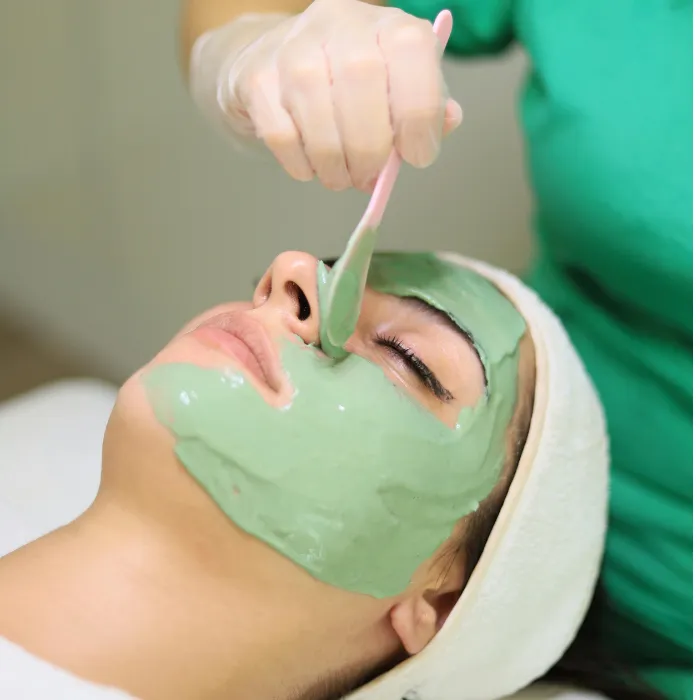
Calming the skin with cooling masks and applying a broad-spectrum medical sunscreen.
Why Choose DermaTales?
Clinical Superiority
Salon bleaches only hide the tan temporarily. Our treatments actually remove the damaged, pigmented cells for real, lasting results.
Safe and Supervised
All procedures are performed under the strict supervision of our expert dermatologists, ensuring zero risk of chemical burns.
Frequently Asked Questions

Dr. Pooja Varshney
Fellowship in Cosmetology with 10+ years of clinical expertise in dermatology and advanced cosmetic treatments.
Know MoreNeed immediate help?
WhatsApp Us