Understanding Androgenetic Alopecia
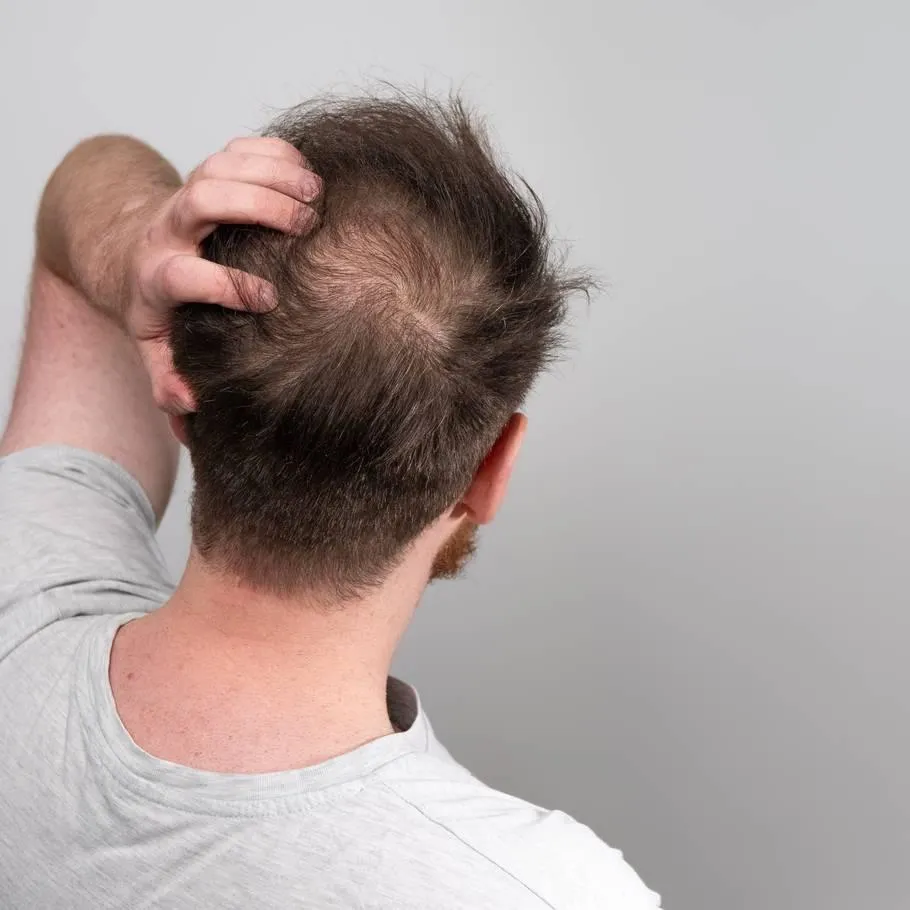
Male Pattern Baldness (Androgenetic Alopecia) is the most common cause of hair loss in men, affecting over 50% of males by the time they reach 50. It is characterized by a predictable pattern: a receding hairline forming an "M" shape, followed by thinning at the crown (vertex), eventually leading to partial or complete baldness on top of the head.
At DermaTales, we approach hair loss scientifically. Male Pattern Baldness is primarily caused by a genetic sensitivity to Dihydrotestosterone (DHT), a derivative of testosterone. DHT binds to hair follicles, causing them to shrink (miniaturize) over time until they stop producing hair entirely.
Comprehensive Treatment Solutions
Successful treatment of Male Pattern Baldness requires acting early before the hair follicles die completely. We offer a multi-modal approach combining medical management with advanced clinical therapies.
Medical Therapy
FDA-approved medications like topical Minoxidil (to stimulate blood flow and prolong the growth phase) and oral Finasteride/Dutasteride (to block DHT production) form the foundation of stopping hair loss.
Clinical Hair Restoration
In-clinic therapies like PRP (Platelet-Rich Plasma), GFC (Growth Factor Concentrate), and QR678 injections provide a massive nutrient boost to awaken dormant follicles and thicken existing hair.
Surgical Restoration
For areas that are already completely bald, advanced FUE or DHI Hair Transplants are the only way to permanently restore the hairline or crown using DHT-resistant follicles.
Your Treatment Journey
Dermoscopic Evaluation
We use a trichoscope to magnify the scalp, analyze follicle miniaturization, and determine your stage on the Norwood scale.
Customized Protocol
A treatment plan is developed combining medications to stop future loss and therapies (like PRP) to stimulate regrowth.
Consistent Management
Hair restoration takes time. Clinical therapies are performed monthly, while home care must be applied daily.
Maintenance
Once results are achieved (typically visible after 4-6 months), we shift to a maintenance protocol to sustain your new hair.
Why Choose DermaTales?
Honest Prognosis
We don't sell false hope. We will honestly evaluate what medical therapy can achieve versus what requires a hair transplant, ensuring you invest your time and money effectively.
Frequently Asked Questions

Dr. Pooja Varshney
Fellowship in Cosmetology with 10+ years of clinical expertise in dermatology and advanced cosmetic treatments.
Know More