Wart Removal in Delhi at DermaTales
Warts are small, rough or raised growths that can appear on different parts of the body, including the hands, feet, face and other areas. They are usually caused by certain types of human papillomavirus (HPV) and can sometimes spread from one area of the skin to another. While some warts may disappear on their own, persistent, painful, spreading or cosmetically bothersome warts may require professional treatment.
At DermaTales, Dr. Pooja Varshney, MBBS, MD (Dermatology / Skin & VD), Fellowship in Cosmetology, provides dermatologist-led wart removal in Delhi based on the type, size, location and number of warts. She has been practising since 2015, with a personalised approach focused on precise treatment and protecting the surrounding healthy skin.
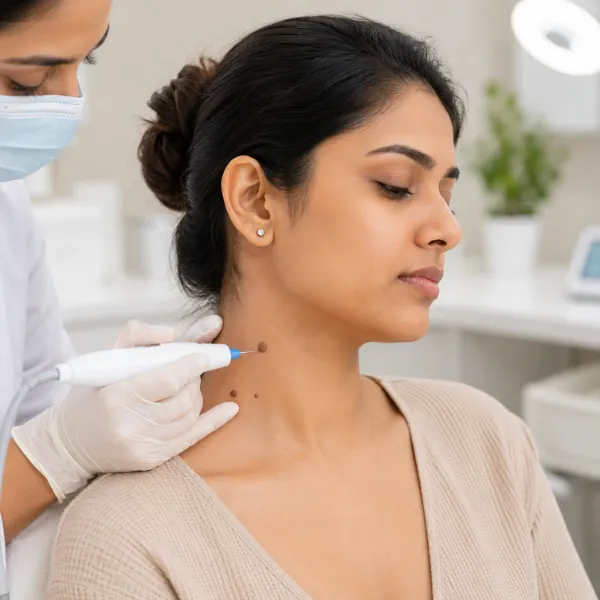
Located in Patel Nagar, DermaTales provides evaluation and treatment for different types of warts, including common warts, plantar warts, flat warts, filiform warts and genital warts.
Wart Removal Consultation at DermaTales
What Are Warts?
Warts are non-cancerous skin growths caused by certain strains of HPV. The virus can enter the skin through small cuts, breaks or areas of irritation and may cause a localised growth.
Warts can have different appearances depending on where they develop. Some are rough and raised, while others may be flatter or grow inward, particularly on the soles of the feet.
Although warts are generally harmless, they can become uncomfortable, spread to nearby skin or affect your confidence, especially when they occur in visible areas. A dermatologist can examine the lesion and determine whether it is actually a wart or another type of skin growth before recommending treatment.
What Do Warts Look Like?
Warts do not all look the same. Their appearance can depend on their type and location. Common features may include:
Rough surface: Rough, granular or uneven elevated texture on the skin surface
Small raised growth: Fleshy, distinct bump projecting upwards from surrounding skin
Varied colouration: Skin-coloured, greyish, pink, or slightly darker appearance
Small black dots: Pinpoint black dots representing tiny clotted blood vessels
Flatter appearance: Smooth, flat-topped surface in certain variants like flat warts
Pressure tenderness: Pain or sharp discomfort upon walking or pressure (plantar warts)
Clinical Advisory
If a growth is changing rapidly, bleeding, becoming painful or does not resemble a typical wart, it should be assessed by a qualified dermatologist rather than treated at home.
Types of Warts We Treat
Different types of warts require distinct clinical assessment and tailored removal techniques:
Common Warts
Common warts usually appear on the hands, fingers, around the nails or other areas exposed to repeated friction. They often have a rough, firm surface and may occur as a single growth or in clusters.
Plantar Warts
Plantar warts develop on the soles of the feet and may grow inward because of pressure from walking or standing. They can sometimes be mistaken for corns or calluses. If you are searching for Plantar Warts Treatment in Delhi, a dermatologist can confirm the diagnosis and recommend an appropriate depth-based treatment.
Flat Warts
Flat warts are generally smaller and smoother than common warts. They may appear in larger numbers, particularly on the face, hands, arms or legs. For people looking for Flat Warts Treatment, professional assessment ensures widespread lesions are treated without unnecessary scarring.
Filiform Warts
Filiform warts are thin, elongated growths that commonly occur around the face, nose, mouth or neck. Because of their delicate location, precise dermatological removal is essential to protect delicate facial skin.
Genital Warts
Genital warts occur around the genital or anal region and are associated with certain types of HPV. They require proper confidential medical evaluation because not every growth in this area is a genital wart. Do not use over-the-counter wart-removal products intended for hands or feet on genital skin. A dermatologist must assess the area safely.
Do Warts Go Away on Their Own?
Some warts can disappear without treatment as the immune system responds to the HPV infection. However, the timeline can vary considerably. A wart may remain for months or longer, increase in size, spread to other areas or cause discomfort. If it is persistent or affecting your daily life, professional removal helps clear the visible growth safely.
Why Do Warts Keep Coming Back?
Warts can recur even after successful removal. This is because treatment removes the visible wart tissue but does not necessarily eliminate HPV from the skin. Recurrence depends on the type, location, immune response, and virus exposure. If warts repeatedly return, your dermatologist will reassess the overall clinical approach.
Wart Removal Treatment in Delhi
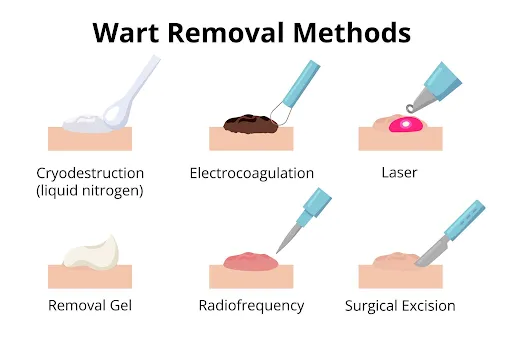
There is no single wart removal treatment that is appropriate for every patient. At DermaTales, treatment is selected after examining the wart and considering its type, location, thickness, number of lesions and previous treatment history.
Genital Warts Removal Treatment in Delhi
If you are searching for effective genital warts removal treatment in Delhi, the first step should be an accurate diagnosis rather than choosing a procedure based only on the name of the treatment.
Genital warts may be treated using options such as cryotherapy, electrosurgery, laser treatment or prescription topical treatments, depending on the case. Because genital lesions can resemble other dermatological conditions, professional confidential examination is essential prior to starting treatment.
Is Laser Wart Removal Painful?
The level of discomfort during laser wart removal varies depending on location, size, depth and technique. Topical anaesthesia or local numbing is applied when necessary to keep the procedure comfortable. Mild temporary redness or sensitivity is normal post-treatment.
How Long Does Wart Removal Take?
The procedure itself is quick (10–30 minutes) for uncomplicated warts. The number of sessions required depends on wart type, size, thickness, location, and individual immune response. Dr. Pooja Varshney outlines your expected roadmap during consultation.
What Happens During a Wart Removal Consultation?
Your consultation at DermaTales begins with a comprehensive medical evaluation rather than immediately jumping into a procedure:
Clinical Examination
Dr. Pooja Varshney evaluates the lesion’s texture, margins, location and depth using dermoscopy to confirm wart diagnosis versus other benign or suspicious growths.
Technique Selection
Choosing between laser ablation, cryotherapy, electrosurgery or medical topicals based on anatomical site, cosmetic considerations and thickness.
Precise Minor Procedure
Under proper local anaesthesia and aseptic clinic protocols, the wart is meticulously treated while sparing surrounding normal skin.
Aftercare & Follow-up
Custom wound care instructions, sun protection tips, and scheduled review to ensure clean healing with minimal mark formation.
Wart Removal Aftercare & Prevention
After wart removal, your dermatologist will provide detailed aftercare instructions tailored to the procedure:
- Keep the area clean & dry: Follow antiseptic cleansing protocols as prescribed.
- Do not pick scabs: Allow treated tissue to shed naturally to prevent premature pigmentation or scarring.
- Prevent transmission: Avoid scratching, picking, or sharing personal items (towels, razors, nail files).
- Plantar wart care: Keep feet dry and avoid walking barefoot in communal damp areas (gym showers, pools).
Can I Remove a Wart at Home?
Self-treatment with OTC chemicals or cutting is risky—especially on the face, eyes, nails or genital areas. DIY attempts frequently cause severe chemical burns, bacterial infections, permanent scars, or misdiagnosed cancerous lesions. Always consult a dermatologist.
Wart Removal Cost in Delhi
The warts removal cost in Delhi can vary considerably because treatment is customised for each individual patient. At DermaTales, wart removal starts from ₹1,500 to ₹7,000 per session depending on the case.
- Type & anatomical location of the wart
- Number, diameter, and depth of lesions
- Treatment modality (Laser, Cryotherapy, Electrosurgery)
- Number of treatment sessions required
Laser removal cost is determined by lesion size, location, and complexity. An exact, transparent quote is provided following your clinical assessment with Dr. Pooja Varshney.
Why Choose DermaTales for Wart Removal in Delhi?
Choosing a wart removal clinic is not only about removing the visible growth—proper diagnosis, tissue preservation and aesthetic results matter:
Dermatologist-Led Expertise
Dr. Pooja Varshney (MD Dermatology, MBBS, Fellowship in Cosmetology) has been practising since 2015, ensuring accurate clinical diagnosis and expert lesion removal.
Healthy Skin Protection
Techniques are selected to eliminate the wart cleanly while protecting surrounding healthy tissue and minimising post-treatment marks or scarring.
Personalised Modalities
Instead of a one-size-fits-all procedure, we offer precision laser, cryotherapy, electrosurgery, curettage, and medical topicals.
Patel Nagar Clinic
Centrally located in East Patel Nagar, Delhi, with modern procedural suites and strict sterilization standards.
When Should You See a Wart Removal Doctor?
You should consider consulting a dermatologist if a skin growth:
- Has remained persistent for months without resolving
- Keeps recurring after previous treatments or home remedies
- Is painful, bleeding, itching, or irritated by clothing/shaving
- Is increasing in size, thickness, or rapidly multiplying
- Is located on visible areas such as the face, neck, or around nails
- Appears on the genital or perianal area
- Does not look like a typical wart and needs clinical confirmation
Frequently Asked Questions About Wart Removal

Dr. Pooja Varshney
Fellowship in Cosmetology with 10+ years of clinical expertise in dermatology and advanced cosmetic treatments.
Know More