If patches of pigmentation on your cheeks, forehead or upper lip have stayed put despite months of creams, serums and sunscreen, it's a common and frustrating experience, and one that usually means the discoloration needs a more targeted clinical approach. This is where a Cosmelan Peel in Delhi is often discussed as an option, particularly for melasma and stubborn hyperpigmentation that hasn't responded to over-the-counter treatment. Before considering it, though, it helps to understand exactly what the peel does, how a dermatologist decides if it's right for your skin, and what the process actually involves, because this is not a treatment that suits every skin type or every kind of pigmentation.
At DermaTales in Patel Nagar, Delhi, Cosmelan is approached as a medically supervised procedure rather than a quick fix, with an assessment of your skin, your pigmentation pattern and your history before any treatment plan is suggested.
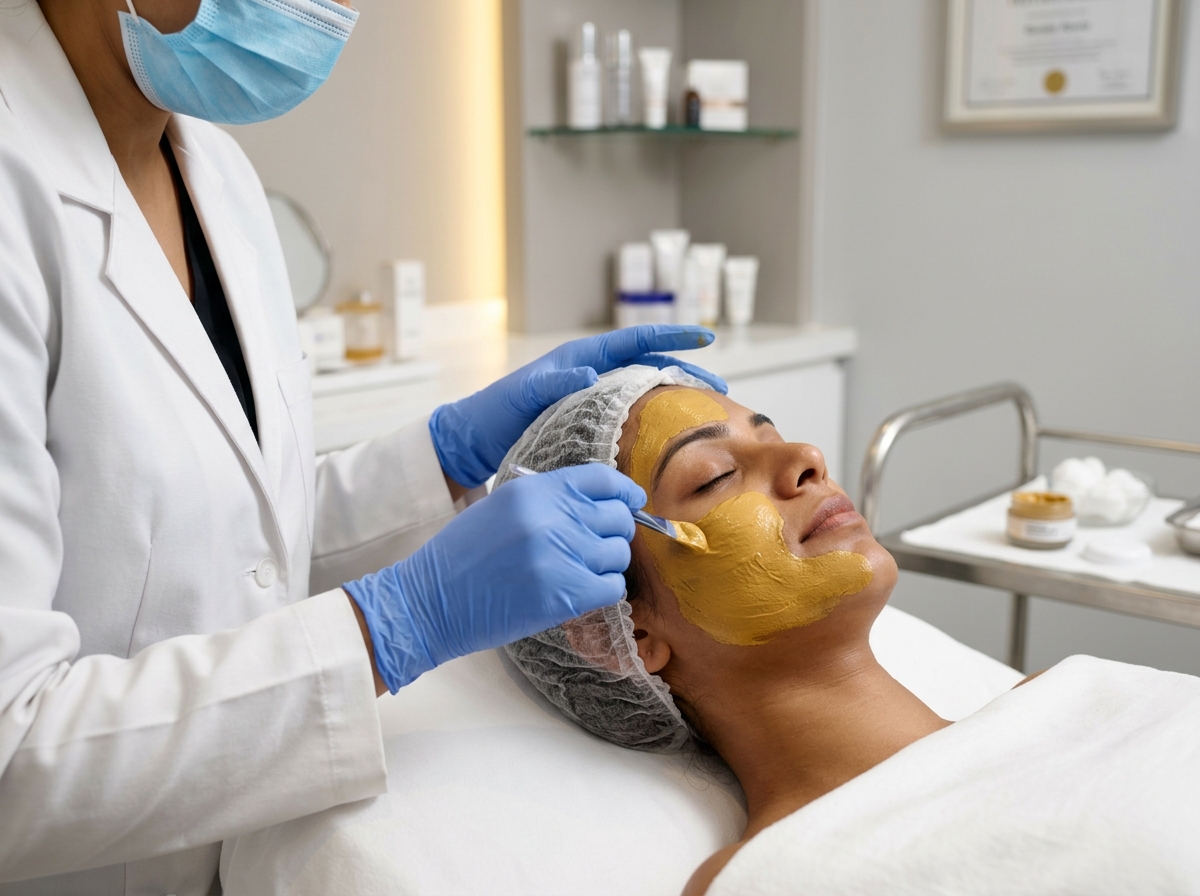
What Is a Cosmelan Peel?
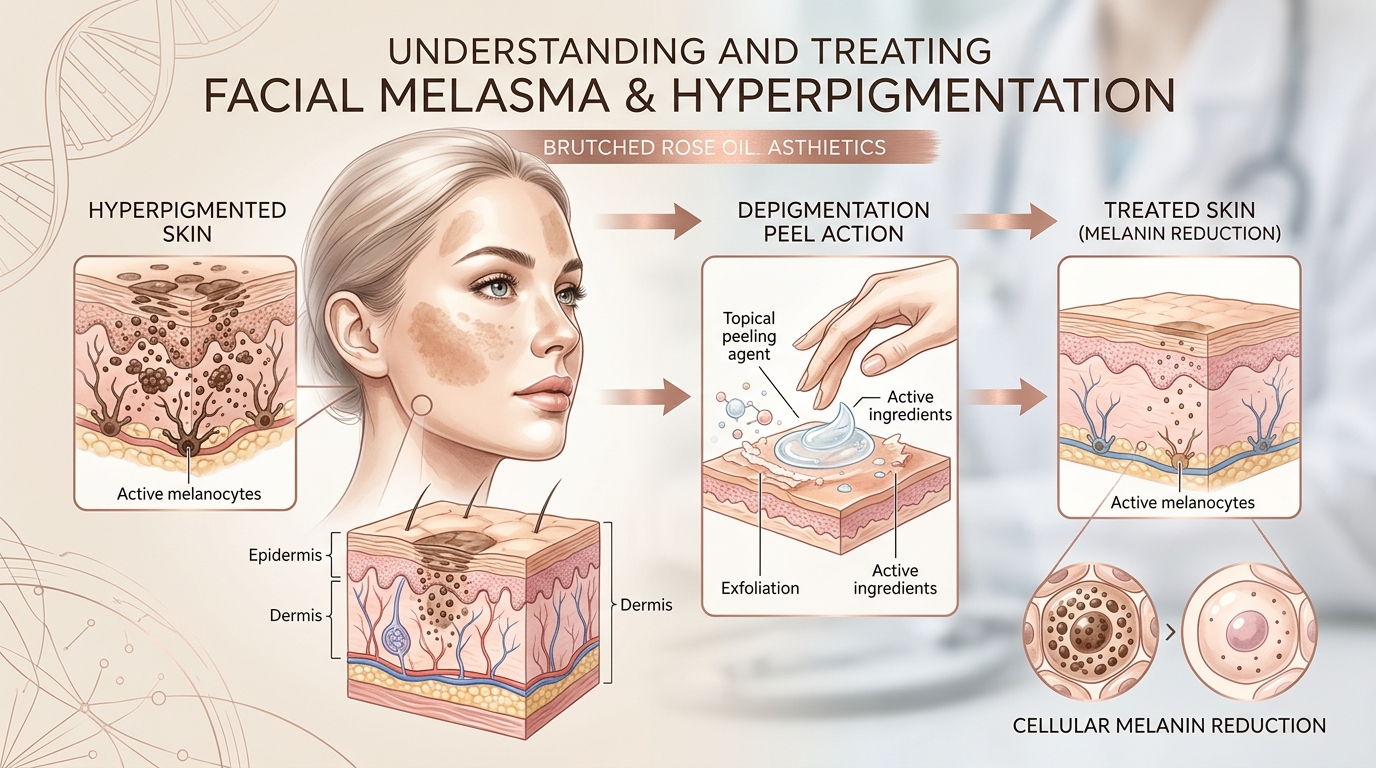
A Cosmelan Peel is a professional depigmentation treatment designed primarily to address melasma and other forms of stubborn hyperpigmentation. It works by targeting the overactivity of melanocytes, the pigment-producing cells in the skin, and by inhibiting tyrosinase, the enzyme central to melanin production. Unlike a standard chemical peel that primarily exfoliates the skin's surface, Cosmelan combines a professionally applied mask with a structured home-care regimen, making it as much about the weeks after treatment as the treatment day itself.
It is generally discussed in two phases: Cosmelan 1, the in-clinic mask application, and Cosmelan 2, the take-home cream used over subsequent weeks to consolidate and extend results. The two phases are designed to work together, and skipping or rushing the home-care phase is one of the more common reasons patients feel their results were disappointing.
Phase 1: In-Clinic Application (Cosmelan 1)
A professionally applied intensive mask left on the skin for a defined duration determined by your dermatologist based on your individual skin evaluation.
Phase 2: At-Home Care (Cosmelan 2)
A daily take-home maintenance cream used over subsequent weeks to consolidate results, inhibit tyrosinase activity, and maintain clarity.
How Does Cosmelan Peel Work?
Cosmelan works by interrupting the pigment production pathway rather than simply removing the top layer of skin. When melanocytes become overactive, often due to sun exposure, hormonal changes, inflammation or genetic predisposition, they produce excess melanin, which surfaces as dark patches, uneven tone or stubborn discoloration. The active ingredients in the Cosmelan formulation are intended to reduce tyrosinase activity, which slows new pigment formation, while supporting gradual fading of existing pigmentation as skin cell turnover continues.
This is a gradual, cumulative process. Visible change typically builds over several weeks rather than appearing overnight, and continued improvement often depends heavily on how consistently sun protection and the prescribed home-care products are followed afterward.
What Concerns Can Cosmelan Peel Help With?
Cosmelan Peel for pigmentation is most commonly discussed in the context of:
Melasma
Hormonal & DeepIncluding hormonally triggered melasma that has been resistant to topical treatment.
Hyperpigmentation from Sun Exposure
UV & Photo-DamageSun-induced hyperpigmentation, photo-damage, or long-standing uneven skin tone.
Post-Inflammatory Hyperpigmentation
Post-Acne & MarksPost-inflammatory hyperpigmentation in some cases, following dermatologist assessment.
Dullness and Uneven Skin Tone
Tone & RadianceDullness and uneven skin tone where excess pigment is a contributing factor.
Clinical Insight
It is important to note that not all pigmentation responds the same way. Deep dermal pigmentation, certain scars, and some forms of stubborn melasma may respond partially or may need to be combined with other treatments. This is why a proper skin assessment matters more than the treatment name itself.
Who Is a Good Candidate for Cosmelan Peel?
A good candidate is typically someone with diagnosed melasma or persistent hyperpigmentation who has already tried topical treatment without adequate improvement, has a stable skin barrier without active inflammation or infection, and is willing to commit to strict daily sun protection during and after treatment.
Patients who may need additional assessment or may not be immediately suitable include those with:
- Active skin infections, active acne breakouts, or significant inflammation at the time of treatment
- A compromised or highly sensitive skin barrier
- Known allergies or sensitivities to peel ingredients
- Pregnancy or breastfeeding, where many depigmenting treatments are generally avoided or postponed pending medical advice
- Recent aggressive procedures on the same area, such as laser resurfacing, without adequate healing time
- Certain current medications that increase photosensitivity or affect wound healing
None of this is a substitute for a professional evaluation. Suitability genuinely depends on an in-person skin assessment, medical history review and, where relevant, a discussion of any current medications.
Cosmelan Peel Treatment at DermaTales
At DermaTales, Cosmelan is offered as part of a broader, dermatologist-guided approach to pigmentation rather than a standalone walk-in service. Dr. Pooja Varshney, MBBS, MD (Dermatology, Skin & VD), Fellowship in Cosmetology, evaluates the pattern, depth and probable cause of pigmentation before recommending Cosmelan or discussing whether an alternative or combination approach may be more appropriate for a particular case of melasma or hyperpigmentation.
The clinic's approach typically includes a detailed consultation, skin type and Fitzpatrick assessment (relevant since Indian skin can react differently to aggressive depigmenting agents than lighter skin types), a review of any previous treatments, and a clear explanation of what to expect at each stage, so patients aren't left guessing about their own recovery.
Read more about:
What Happens During the Treatment?
Step 1: Consultation
The dermatologist reviews your skin history, previous treatments, current skincare, medications and the specific pattern of pigmentation you're concerned about.
Step 2: Skin Assessment
A closer clinical examination helps determine whether the pigmentation is superficial, mixed, or deeper, and whether Cosmelan is likely to be effective or whether another approach should be considered first.
Step 3: Treatment Planning
Based on the assessment, a plan is created, including whether pre-treatment skin preparation is needed and what home-care products will follow.
Step 4: In-Clinic Application (Cosmelan 1)
The mask is applied under clinical supervision. Sensations of tightness, mild tingling or warmth are commonly reported during this stage; exact timing and duration depend on the clinical protocol determined for your skin.
Step 5: Home Care (Cosmelan 2)
You're given specific instructions and products to continue at home, which are central to how well the results consolidate over the following weeks.
Step 6: Follow-Up
A review appointment allows the dermatologist to check your skin's response, address any concerns, and adjust the home-care plan if needed.
Step 7: Maintenance
Ongoing sun protection and, in some cases, periodic touch-up guidance help sustain results and reduce the likelihood of pigmentation returning.
Exact durations, product quantities and number of in-clinic sessions vary by individual and should be confirmed during consultation rather than assumed from a generic protocol.
What Can You Expect After Treatment?
Redness, tightness, dryness, flaking and visible peeling are commonly reported in the days following a Cosmelan Peel, and this is generally considered part of the expected skin renewal process rather than a complication. Many patients describe their skin looking noticeably worse before it looks better, particularly in the first few days, with peeling typically becoming more visible before it settles.
Sensitivity to sun exposure increases significantly during this period, which is why strict, consistent sunscreen use is not optional; it is one of the most important factors in whether results hold or whether pigmentation returns quickly. Mild stinging or a sensation of skin tightness is also commonly described in patient discussions and is usually temporary.
That said, some reactions should prompt contacting the clinic rather than waiting it out: unusually severe pain, signs of infection such as increasing warmth, swelling or discharge, or a reaction that seems disproportionate to what was discussed at consultation. A dermatologist-supervised treatment means you have a clear point of contact if anything feels outside the expected range, which is one of the key safety advantages over unsupervised or home-based alternatives.
Cosmelan Peel Results
Visible change is typically gradual. Some patients begin noticing a difference in overall tone within the first couple of weeks as peeling resolves, while more meaningful fading of pigmentation tends to build over several weeks as the home-care phase continues. Results vary considerably between individuals, and this variation depends on factors such as the depth and cause of pigmentation, skin type, hormonal factors (particularly relevant for melasma), how strictly sun protection is followed, and adherence to the prescribed aftercare routine.
It's worth being direct about something patient forums raise often: claims of dramatic, fixed percentage improvement (such as a specific number like "90% reduction") are not something a responsible clinic can promise, because individual response varies too much to guarantee a number. What can be said is that many patients see meaningful improvement in the appearance of pigmentation, with the degree of improvement depending on the individual case.
How Long Do the Results Last?
This is one of the most common questions patients ask, often phrased as "will my pigmentation come back?" The honest answer is that recurrence is possible, particularly for melasma, which is strongly influenced by ongoing triggers such as UV exposure, heat, hormonal changes and, in some cases, pregnancy. A single treatment does not permanently switch off the biological pathways that caused the pigmentation in the first place.
Results tend to last longer when sun protection is treated as a daily non-negotiable habit rather than an occasional afterthought, and when any maintenance skincare or periodic touch-ups recommended by the dermatologist are followed. Patients in Delhi in particular should be mindful of year-round UV exposure and the practical realities of daily commuting and outdoor time, both of which can undermine results if sun protection is inconsistent.
Cosmelan Peel Cost in Delhi
A dedicated, transparent answer to "how much does Cosmelan Peel cost in Delhi" depends on several individual factors rather than a single fixed number. What typically influences the overall cost includes:
- The extent and severity of the pigmentation being treated
- Whether additional sessions or a combination approach is recommended
- The dermatologist consultation and skin assessment
- The home-care products included as part of the Cosmelan 2 phase
- Any follow-up visits built into the treatment plan
Cosmelan Peel at DermaTales starts from between ₹20,000 and ₹60,000 per treatment cycle, depending on the clinic and package. DermaTales recommends a consultation to receive an accurate, individualised cost estimate rather than relying on a generic figure, since pricing based on someone else's treatment plan may not reflect what your skin actually needs.
If you're comparing the Cosmelan Peel cost in Delhi across clinics, be cautious of prices that seem unusually low, since this can sometimes reflect diluted products, unsupervised application, or a lack of proper aftercare support, all of which can affect both safety and results.
Why Choose DermaTales for Cosmelan Peel?
Choosing where to have a Cosmelan Peel treatment in Patel Nagar, or anywhere in Delhi, matters because this is a medically active treatment, not a cosmetic add-on. At DermaTales, treatment decisions are made by Dr. Pooja Varshney, MBBS, MD (Dermatology, Skin & VD), based on an individual assessment of your pigmentation, skin type and medical history, rather than a one-size-fits-all protocol.
What genuinely sets a dermatologist-led clinic apart is not marketing language but the process itself: a proper diagnosis of the type and cause of pigmentation, a treatment plan tailored to your skin's sensitivity and tone, clear communication about what to expect at each stage, and accessible follow-up if your skin reacts differently than anticipated. For patients searching for a Cosmelan peel clinic in Delhi, this kind of structured, supervised approach is generally a more reliable indicator of quality than price alone.
DermaTales' location in Patel Nagar also means follow-up visits, which matter considerably for a treatment like this, are practical for patients across West and Central Delhi.
Why Dermatologist Supervision Matters
Cosmelan is a potent depigmenting treatment, and its effectiveness and safety depend heavily on correct diagnosis and supervision. A dermatologist's involvement matters at several points: confirming that what you're seeing is genuinely melasma or hyperpigmentation rather than another pigmentary or skin condition that mimics it, assessing whether your skin barrier can currently tolerate the treatment, selecting an appropriate treatment intensity for your specific skin type, and monitoring your skin's response so that irritation or an unexpected reaction can be managed quickly rather than left unaddressed.
This matters particularly for Indian skin tones, which can be more prone to post-inflammatory hyperpigmentation if a peel is too aggressive or improperly managed, sometimes worsening the very concern the treatment was meant to address. A dermatologist can also advise on whether Cosmelan is the right first step at all, or whether your pigmentation pattern would respond better to a different treatment, or a combination approach, planned around your skin rather than a fixed package.
Cosmelan Peel vs Other Treatment Options
Cosmelan Peel vs Chemical Peels
Surface PeelsStandard chemical peels (such as TCA or Jessner's peels) primarily exfoliate and can help with general uneven tone, but Cosmelan is specifically formulated around tyrosinase inhibition, which makes it more targeted for melasma. Which is more appropriate depends on the type and depth of pigmentation.
Cosmelan Peel vs Laser Treatments
Laser EnergyLaser treatments, including certain IPL and pigment-targeting lasers, can be effective for some forms of pigmentation but carry a risk of worsening melasma in some patients if not carefully selected, since heat-based treatments can sometimes trigger more pigment production. Cosmelan is often considered a lower-heat, topical-mechanism alternative, though the right choice depends on individual assessment.
Cosmelan Peel vs Topical Treatments
Daily TopicalsTopical depigmenting creams work more slowly and are typically used either as a first step before considering a peel, or alongside a peel as part of maintenance. Cosmelan is generally considered a more intensive, clinically supervised step for pigmentation that hasn't responded adequately to topical treatment alone.
Dermatologist's Note on Treatment Selection
There is no universally "best" treatment among these options. The right choice depends on your specific pigmentation type, skin sensitivity, medical history and previous treatment response, which is exactly why a consultation-first approach matters more than picking a treatment by name.
How to Prepare for Cosmelan Peel
Preparation is generally straightforward but should always follow your dermatologist's specific instructions rather than generic advice. This commonly includes:
- Using daily sun protection consistently in the weeks leading up to treatment
- Informing your dermatologist about your current skincare routine, including any active ingredients like retinoids or exfoliating acids
- Disclosing any medications you're currently taking
- Mentioning any recent procedures on the treatment area, such as laser or other peels
- Flagging any active irritation, breakouts or skin barrier concerns before your appointment
Never stop a prescribed medication without first discussing it with the doctor who prescribed it.
Aftercare
Aftercare is arguably the phase that determines whether a Cosmelan Peel treatment succeeds long-term. General principles typically include:
- Gentle, non-stripping cleansing while the skin is peeling and recovering
- Consistent moisturisation to support the skin barrier during and after peeling
- Strict, high-SPF sun protection applied daily, reapplied as needed, since UV exposure is one of the biggest drivers of pigmentation recurrence
- Avoiding picking, scratching or manually removing peeling skin, which can increase the risk of scarring or post-inflammatory marks
- Avoiding unapproved active ingredients (such as strong exfoliating acids or retinoids) until your dermatologist confirms your skin has recovered
- Following the prescribed Cosmelan 2 home-care products exactly as directed, rather than stopping early once visible peeling settles
- Attending your scheduled follow-up so the dermatologist can assess your skin's actual response
- Contacting the clinic promptly if you notice unexpected symptoms such as significant swelling, signs of infection, or a reaction that feels more severe than what was discussed beforehand
Cosmelan Peel Near Me in Delhi
If you're searching for Cosmelan peel near me, it helps to look beyond proximity alone. A few practical things worth checking before booking with any local clinic include whether a qualified dermatologist is directly involved in assessing your skin and supervising treatment, whether the clinic takes time to explain your specific pigmentation pattern rather than offering a generic package, what the clinic's aftercare and follow-up process looks like, whether pricing is explained transparently rather than vaguely, and whether the clinic environment and hygiene standards feel appropriately clinical.
DermaTales is based in Patel Nagar, Delhi, making it accessible for patients across West Delhi and Central Delhi who want a dermatologist-led assessment before starting treatment, along with practical follow-up access afterward.
Explore related treatments:
Not sure whether a Cosmelan Peel is the right fit for your skin, or whether your pigmentation needs a different approach entirely? A consultation with Dr. Pooja Varshney at DermaTales, Patel Nagar, can help you understand what's actually causing your pigmentation and what a realistic, personalised treatment plan could look like, before you commit to anything.
Frequently Asked Questions
Medical Disclaimer
The information on this page is intended for general educational purposes and does not constitute medical advice. Treatment suitability, expected outcomes and results vary between individuals and depend on a clinical assessment of your specific skin condition, medical history and treatment goals. A qualified dermatologist must evaluate your skin before any treatment, including Cosmelan Peel, is recommended or performed. This content does not replace a professional medical consultation.

Dr. Pooja Varshney
Fellowship in Cosmetology with 10+ years of clinical expertise in dermatology and advanced cosmetic treatments.
Know MoreNeed immediate help?
WhatsApp Us