Personalised CO2 Laser Skin Resurfacing in Gurgaon
At DermaTales, CO2 laser treatment in Gurgaon is planned after assessing your skin type, concern, scar pattern and treatment expectations. The goal is not simply to perform a laser procedure, but to determine whether a CO2 laser is appropriate for your skin and what treatment intensity is likely to be suitable.
DermaTales is a dermatologist-led skin and aesthetic clinic in Sector 31, Gurgaon, led by Dr. Pooja Varshney, MBBS, MD Dermatology / Skin & VD, with a Fellowship in Cosmetology and more than 10 years of experience. She has treated more than 15,000 patients across Delhi NCR. DermaTales also has a clinic in Patel Nagar, Delhi, allowing patients to choose the location that is more convenient for them.
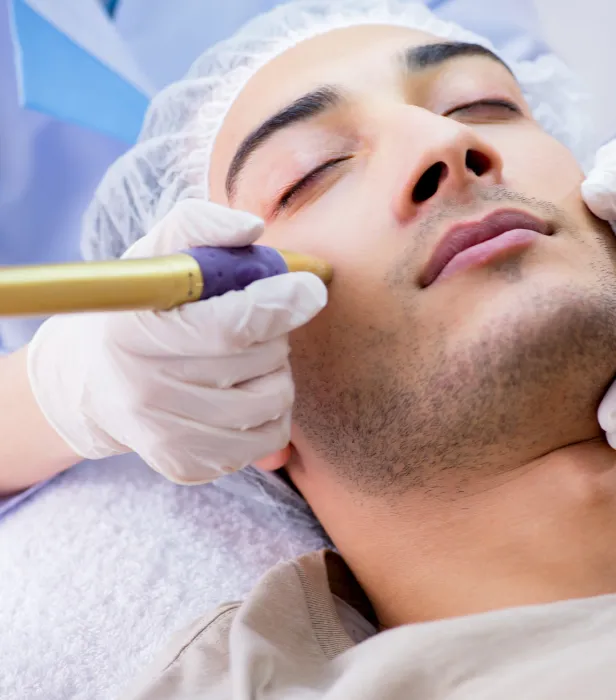
What Is CO2 Laser Treatment?
CO2 laser treatment is a form of laser skin resurfacing that uses carbon dioxide laser energy to create controlled treatment zones in the skin. This stimulates the skin's natural healing process and encourages collagen remodeling.
One commonly used approach is Fractional CO2 Laser, where microscopic columns of laser energy are delivered into the skin while surrounding tissue remains untreated. This helps initiate skin repair while retaining healthier tissue around the treated areas. As the skin heals, new tissue forms and collagen remodeling can improve the appearance of scars, uneven texture, fine lines and selected signs of skin damage.
The treatment is not identical for every patient. Someone with shallow acne scars may require a different approach from someone with deeper scars or extensive textural irregularities. Your skin type, concern and recovery capacity are therefore considered before treatment.
What Skin Concerns Can CO2 Laser Treat?
Acne Scars
Acne scars are one of the common reasons patients consider CO2 lasers. Depressed acne scars can create irregularities in the skin surface even after active acne has settled. CO2 laser can improve the appearance of selected acne scars by resurfacing the skin and stimulating collagen remodeling. However, acne scars can be rolling, boxcar or ice-pick in appearance, and they do not all respond in the same way.
Uneven Skin Texture & Enlarged Pores
CO2 lasers can improve rough or uneven skin texture by resurfacing the skin and encouraging collagen remodeling. It may also improve the appearance of enlarged pores. However, pores cannot be permanently removed, and the degree of improvement depends on factors such as skin type, oil production and skin elasticity.
Fine Lines and Wrinkles
CO2 laser resurfacing may be considered for selected fine lines, wrinkles and other signs of photoageing. By resurfacing damaged skin and stimulating collagen, treatment can improve skin texture and create a smoother-looking appearance over time.
Facial Scars
CO2 laser may be considered for certain acne, surgical or traumatic facial scars. The suitability of laser resurfacing depends on the scar's depth, age, location, colour and characteristics. A scar assessment is therefore important before deciding on treatment.
Sun Damage and Uneven Skin
Laser resurfacing may help improve selected forms of sun-related skin damage and uneven texture. However, pigmentation needs careful assessment, particularly in Indian skin, because laser procedures can sometimes trigger post-inflammatory pigmentation.
Benefits of CO2 Laser Treatment
When appropriately selected and performed, CO2 laser may help improve:
CO2 laser is a controlled medical procedure rather than simply a cosmetic skin-polishing treatment. Results develop gradually as the skin heals and collagen remodeling takes place.
Who Is a Good Candidate for CO2 Laser?
CO2 laser may be considered for adults concerned about acne scars, uneven texture, selected facial scars, fine lines or signs of skin ageing. During consultation, the dermatologist may assess:
Clinical Assessment Factors
- Type and depth of scarring
- Skin tone and pigmentation tendency
- Current acne activity
- Previous laser or cosmetic procedures
- Current skincare routine
Recovery & Readiness Considerations
- Skin health and healing considerations
- Expected recovery time and downtime capacity
- Treatment expectations and realistic goals
- Patients who cannot accommodate visible downtime may need less intensive alternatives.
- Patients with active acne breakouts may first require medical acne treatment.
The right treatment depends on your skin rather than simply choosing the most intensive procedure available.
How Does CO2 Laser Treatment Work?
The treatment protocol at DermaTales follows a structured medical approach to ensure safety, precision, and optimal outcomes:
1. Dermatologist Consultation
The process begins with a detailed skin assessment. Dr. Pooja Varshney evaluates your concern, skin characteristics and treatment expectations. For acne scars, identifying the scar type and depth is particularly important because different scar patterns may require different approaches.
2. Personalised Treatment Planning
The treatment area, intensity and number of sessions are planned according to your individual skin. This is particularly important for Indian skin, where post-inflammatory pigmentation can be a consideration after laser treatment.
3. Skin Preparation
The skin is prepared before the procedure. Depending on your treatment plan, the dermatologist may recommend specific skincare before and after treatment. Avoid introducing strong active products immediately before treatment unless specifically advised.
4. Numbing and Laser Treatment
A topical numbing method may be used to improve comfort. The laser is then applied to the selected area according to the planned settings. Treatment duration depends on the size of the area and treatment intensity. Patients may experience warmth or discomfort during the procedure, although individual experiences vary.
5. Post-Treatment Care
Redness, warmth and sensitivity can occur immediately after treatment. Your dermatologist will provide aftercare instructions according to the intensity of the procedure. Recovery is an important part of the overall treatment process.
CO2 Laser Results: What to Expect
CO2 laser results develop progressively rather than appearing immediately. Initially, the treated skin may look red and feel sensitive. Depending on the treatment intensity, dryness, peeling or crusting can occur during healing.
Once the initial recovery settles, improvements in texture may become more visible. Collagen remodeling continues after the initial healing period, so final results should be assessed over time. For acne scars, the goal is generally significant improvement rather than complete removal.
Results Depend On:
- Scar type and depth
- Number of sessions completed
- Laser settings and energy calibration
- Individual skin type and healing response
- Previous treatments and skincare history
- Adherence to post-treatment aftercare and sun protection
Some patients may achieve better results through a combination of procedures rather than repeated CO2 laser alone.
How Many CO2 Laser Sessions Are Needed?
There is no fixed number of sessions suitable for everyone. Patients with mild textural irregularities may need a different treatment plan from those with deeper or extensive acne scars. The number of sessions also depends on how the skin responds to previous treatment and the level of improvement desired.
During consultation, your dermatologist can explain the expected number of sessions, treatment intervals, possible combination treatments and recovery requirements.
CO2 Laser Recovery and Downtime
Downtime depends largely on treatment intensity. Temporary effects can include:
The skin needs time to rebuild its protective barrier during recovery. A lighter treatment may involve less visible downtime, while more intensive resurfacing can result in several days of noticeable redness, peeling or crusting.
If you have an upcoming wedding, event or important professional commitment, discuss the timing with your dermatologist before scheduling the procedure.
CO2 Laser Treatment Cost in Gurgaon
The CO2 Laser Treatment Cost in Gurgaon varies according to the treatment plan. There is no single price that applies to every patient. Factors that can affect the cost include:
- Treatment area (full face vs localized scar)
- Type and severity of the skin concern
- Scar depth and skin characteristics
- Laser intensity and settings
- Number of sessions required
- Additional combination treatments required
Patients often search for a CO2 Laser Session Price in Gurgaon, but the session price alone does not tell you whether the treatment is appropriate for your skin. For an accurate estimate, your dermatologist should assess your skin and explain the recommended treatment plan before you commit to multiple sessions.
CO2 Laser Side Effects and Safety
CO2 laser is a controlled resurfacing procedure and should be performed after appropriate patient assessment. Temporary redness, swelling, sensitivity, dryness and peeling are common during recovery. Depending on the procedure and individual response, possible complications can include prolonged redness, infection, pigmentation changes or scarring.
Important Consideration for Indian Skin: Post-inflammatory hyperpigmentation is particularly important to consider in darker skin types. For this reason, treatment settings should be selected individually rather than using the same settings for every patient. At DermaTales, laser procedures are dermatologist-led, with skin assessment, personalised treatment planning and post-treatment guidance.
CO2 Laser Aftercare Guidelines
Your exact aftercare instructions should always come from your treating dermatologist. General recovery principles include:
Sun Protection
Freshly treated skin is more sensitive to UV exposure. Consistent sunscreen use and physical sun protection are important during recovery.
Gentle Skin Care
Use gentle, dermatologist-recommended products to support the skin barrier. Avoid introducing multiple new products during the healing period.
Do Not Pick or Scrub
Peeling and crusting should be allowed to heal naturally. Picking can increase irritation and may contribute to pigmentation or scarring.
Pause Irritating Actives
Retinoids, exfoliating acids and other potentially irritating products may need to be paused temporarily until advised by your doctor.
Avoid Excessive Heat
Heavy exercise, sauna and activities that significantly increase heat or sweating may need to be avoided during early recovery.
CO2 Laser vs Other Skin Resurfacing Treatments
CO2 laser is not automatically the most suitable option for every skin concern. Understanding how it compares with other clinical modalities helps in choosing the most appropriate treatment for your skin:
CO2 Laser vs MNRF (Radiofrequency)
MNRF delivers RF energy through microneedles to remodel the dermis with low epidermal disruption, while CO2 laser creates intensive optical resurfacing across both surface and deeper layers.
CO2 Laser vs Microneedling
Microneedling creates mechanical micro-punctures suitable for mild texture with minimal recovery, whereas CO2 laser uses thermal ablation for significant collagen regeneration and scar remodeling.
CO2 Laser vs Chemical Peels
Chemical peels exfoliate the epidermal surface to address pigmentation, dullness and active acne breakouts, whereas CO2 laser restructures deeper dermal tissue for atrophic scars and wrinkles.
The optimal treatment depends on the condition being treated, your skin characteristics and your expected downtime.
CO2 Laser for Acne Scars: Is It Suitable for Everyone?
No. This is important when considering CO2 Laser Treatment for Acne Scars in Gurgaon. Acne scars can be rolling, boxcar or ice-pick scars, and their depth and structure can differ significantly.
If active acne is still present, treatment may first focus on controlling breakouts and preventing new scars. Depending on the scar pattern, your dermatologist may recommend CO2 laser, another procedure or a combination approach. The objective of consultation is to identify the type of scarring and select the treatment that is most appropriate for your skin.
CO2 Laser for Acne Marks vs Acne Scars
Acne marks and acne scars are different conditions:
- Acne marks: Generally refer to colour changes (pigmentation or erythema) left after acne heals without skin depression.
- Acne scars: Involve structural changes in the skin, such as depressions (atrophic scars) or raised tissue (hypertrophic scars).
CO2 laser is primarily a resurfacing treatment and is particularly relevant when the concern involves texture or structural scarring. If pigmentation is the primary concern, another treatment may be more appropriate. Therefore, patients searching for CO2 Laser for Acne Marks in Gurgaon should first have the cause of the mark assessed.
Why Choose DermaTales for CO2 Laser Treatment in Gurgaon?
Choosing a laser clinic should involve more than comparing machines or session prices:
Experienced Dermatologist
Dr. Pooja Varshney is an MBBS, MD Dermatology / Skin & VD specialist with a Fellowship in Cosmetology and more than 10 years of experience. She has treated more than 15,000 patients across Delhi NCR.
Personalised Treatment
CO2 laser settings and treatment intensity are selected according to the patient's skin concern, scar type, skin characteristics and treatment goals.
Comprehensive Skin and Laser Care
DermaTales provides dermatology, laser and aesthetic treatments, including acne and acne scar treatment, pigmentation treatment, MNRF and fractional CO2 laser.
Focus on Recovery
Laser treatment does not end when the procedure is completed. Appropriate aftercare and recovery guidance are an important part of the treatment journey.
DermaTales Gurgaon Clinic
Located at 694, Sector 31, Gurugram, Haryana 122001, our clinic serves patients from Sector 31 and surrounding Gurgaon areas including DLF Phases 1–5, Golf Course Road, Sohna Road, and Sushant Lok. DermaTales also has a Patel Nagar, Delhi location for patients who prefer to visit the Delhi clinic.
- MBBS, MD - Dermatology & VD
- Fellowship in Cosmetology
- 10+ Years Experience
- 15,000+ Treated Patients
Frequently Asked Questions
Related Treatments & Resources
Medical Disclaimer: This page is for educational purposes and does not replace medical advice. Treatment outcomes vary based on individual skin type, scarring pattern, and recovery response. A dermatologist assessment is essential before undertaking any laser resurfacing procedure.

Dr. Pooja Varshney
Fellowship in Cosmetology with 10+ years of clinical expertise in dermatology and advanced cosmetic treatments.
Know MoreNeed immediate help?
WhatsApp Us