Targeted Correction for Melasma
Melasma is a complex skin condition characterized by brown or greyish patches, typically on the face. Unlike standard pigmentation, melasma is often deeper and highly sensitive to heat and UV exposure. Standard treatments often fail because they don't reach the deeper layers of the skin where the melanin is concentrated.
At DermaTales, we use **Laser Toning (Q-Switch Nd:YAG)** technology. This specialized laser delivers ultra-short pulses of energy that shatter the pigment into tiny particles without generating excessive heat. This "photo-acoustic" effect is crucial for melasma, as it avoids the thermal damage that can sometimes worsen the condition.

Why Laser Toning for Melasma?
Our approach prioritize safety and long-term stabilization over temporary brightening:
Shatters Deep Pigment
Reaches the dermal layers to break down stubborn pigmentation that creams cannot reach.
Zero Heat Damage
Specially calibrated to avoid heat-induced irritation, which is the primary cause of melasma flares.
Even Skin Tone
Effectively blends dark patches with your natural skin for a seamless, uniform appearance.
Safe for Indian Skin
Our protocols are optimized for South Asian skin types to prevent post-inflammatory hyperpigmentation.
Collagen Stimulation
Sub-threshold laser energy stimulates skin rejuvenation and improves overall texture and glow.
Quick & No Downtime
A "lunchtime" procedure that takes 15–20 minutes with no visible peeling or recovery time.
Ideal Candidates
- Individuals with stubborn melasma (epidermal or dermal).
- Those who haven't seen results with topical depigmentation creams.
- Patients seeking a safe, non-invasive laser solution.
- Anyone looking for overall skin tone correction and glow.
Considerations
- Sun protection is mandatory post-treatment.
- Pregnant or breastfeeding women.
- Active facial infections or open skin in the treatment area.
- Individuals not committed to a multi-session protocol.
The DermaTales Clinical Protocol
UV Skin Analysis
We use clinical analysis to determine the depth of pigmentation (dermal vs epidermal) to decide the best laser parameters.
Skin Priming
In some cases, the skin is primed with mild actives for 2 weeks before the laser to ensure optimal response and prevent PIH.
Laser Toning Session
The Q-switch laser is moved across the pigmented areas. Most patients feel a mild tingling sensation like a rubber band snap.
Post-Laser Barrier Care
A soothing cocktail and medical-grade sunscreen are applied to protect the skin and maintain the barrier during the healing phase.
Why DermaTales for Melasma?
Safe Q-Switch Technology
We use gold-standard lasers that shatter pigment using vibrating waves rather than heat, making it the safest option for melasma management.
Multi-Modal Calibration
We don't just 'zap' patches. We combine laser toning with specialized peels if needed, along with medical-grade topicals for a holistic solution.
Dermatologist-Led Precision
All laser treatments are prescribed and supervised by Dr. Pooja Varshney, ensuring each pulse is accurately delivered for your specific skin type.
Frequently Asked Questions
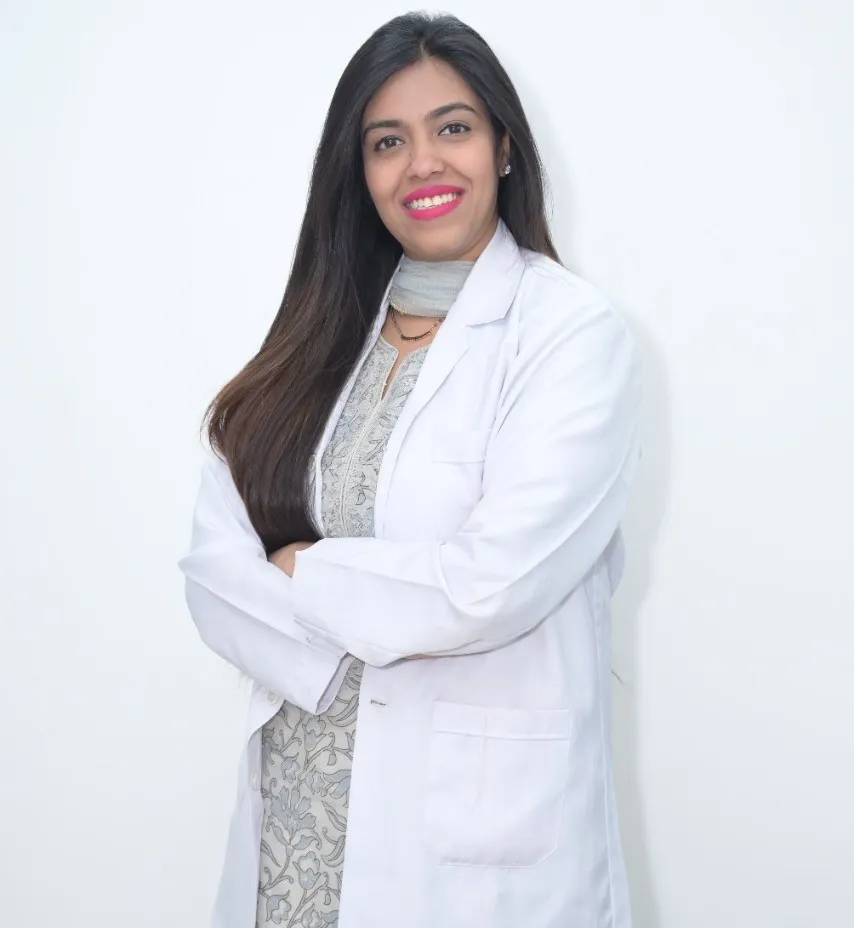
Dr. Pooja Varshney
Fellowship in Cosmetology with 10+ years of clinical expertise in dermatology and advanced cosmetic treatments.
Know MoreNeed immediate help?
WhatsApp Us