Why Do Lips Become Dark?
Dark lips are not a single condition — they are a symptom with multiple possible causes. The most critical decision before any treatment is identifying which cause applies to you. Treating smoking-related melanosis the same way as a cosmetic allergy reaction will not work. At DermaTales, we diagnose the cause before we recommend a protocol.
Delhi's specific environment — intense UV exposure, pollution, and dust — makes lip pigmentation significantly more common here than in cooler or less polluted cities. Indian skin (Fitzpatrick Type III–V) is also more prone to post-inflammatory pigmentation, which means an incorrect treatment can darken lips further.
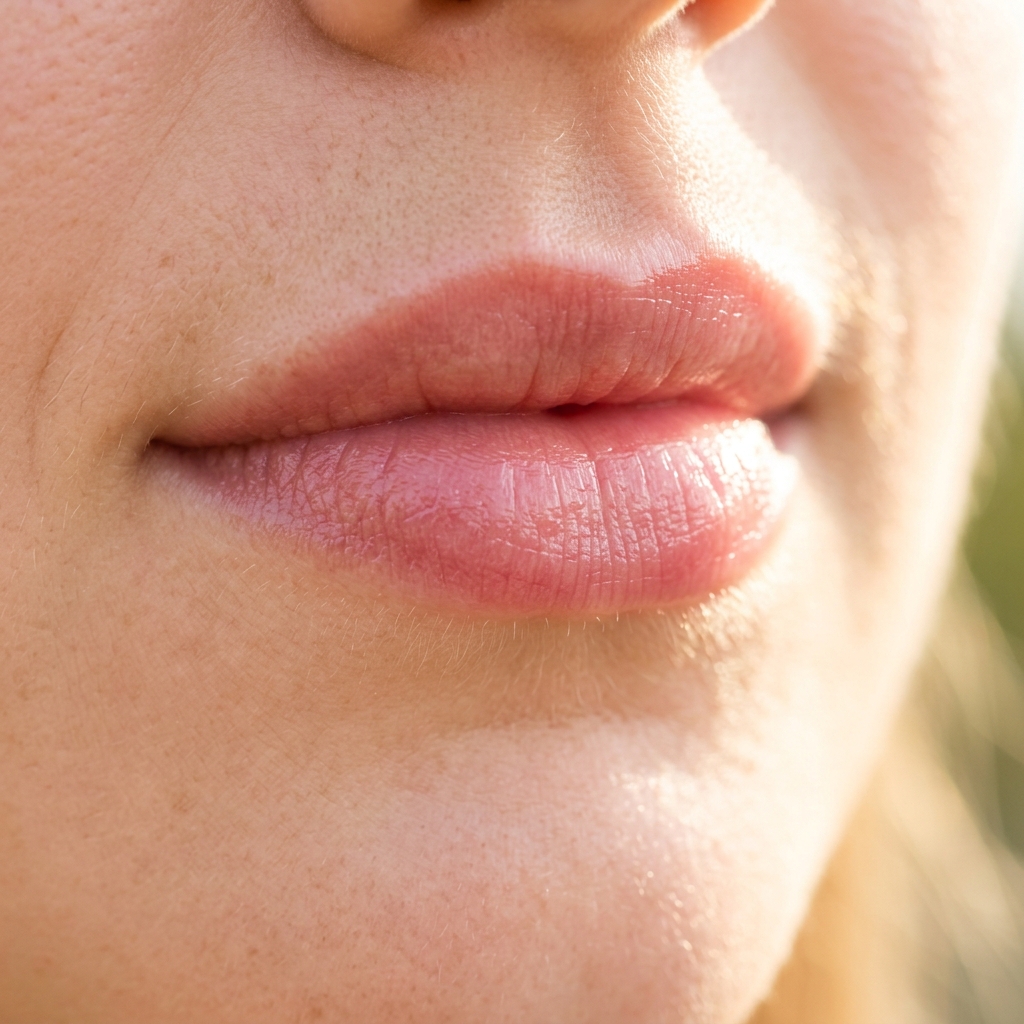 01 — Most Common — Most Treatable
Sun Damage (UV-Induced Melanosis)
Repeated sun exposure over years stimulates excess melanin production in the lip border and body of the lips. This is the single most common cause of gradual lip darkening in Delhi, worsened by the city's high UV index from March to October.
Appearance: Diffuse darkening of the entire lip, often worse on the lower lip. Gradual onset over months to years.
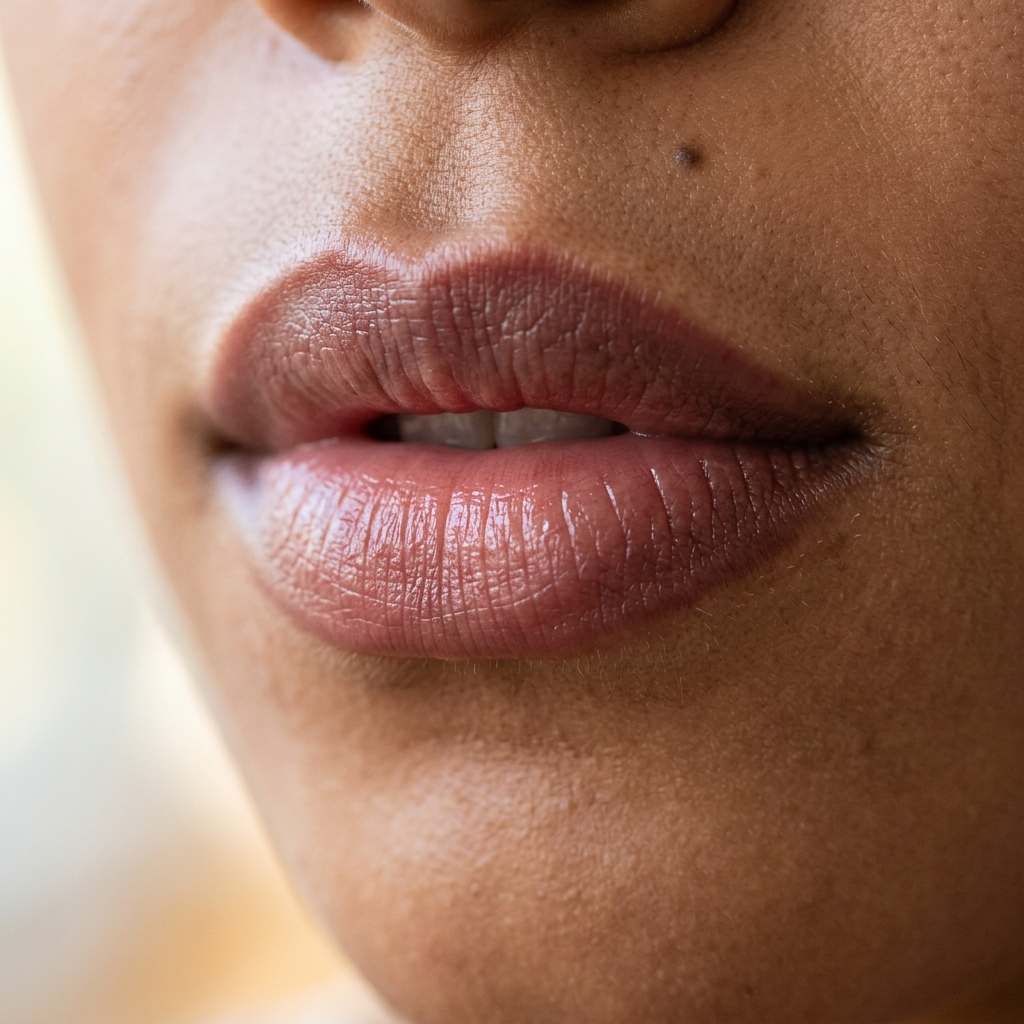 02 — Lifestyle — Reversible With Treatment
Smokers' Melanosis
Smoking causes nicotine to directly stimulate melanocytes in the oral mucosa and lip tissue, producing characteristic dark brown to black patches — most often on the central lower lip and the inner surface. Even former smokers can retain this pigmentation for years.
Appearance: Patchy or diffuse dark discolouration. May involve the inner lip and gum line.
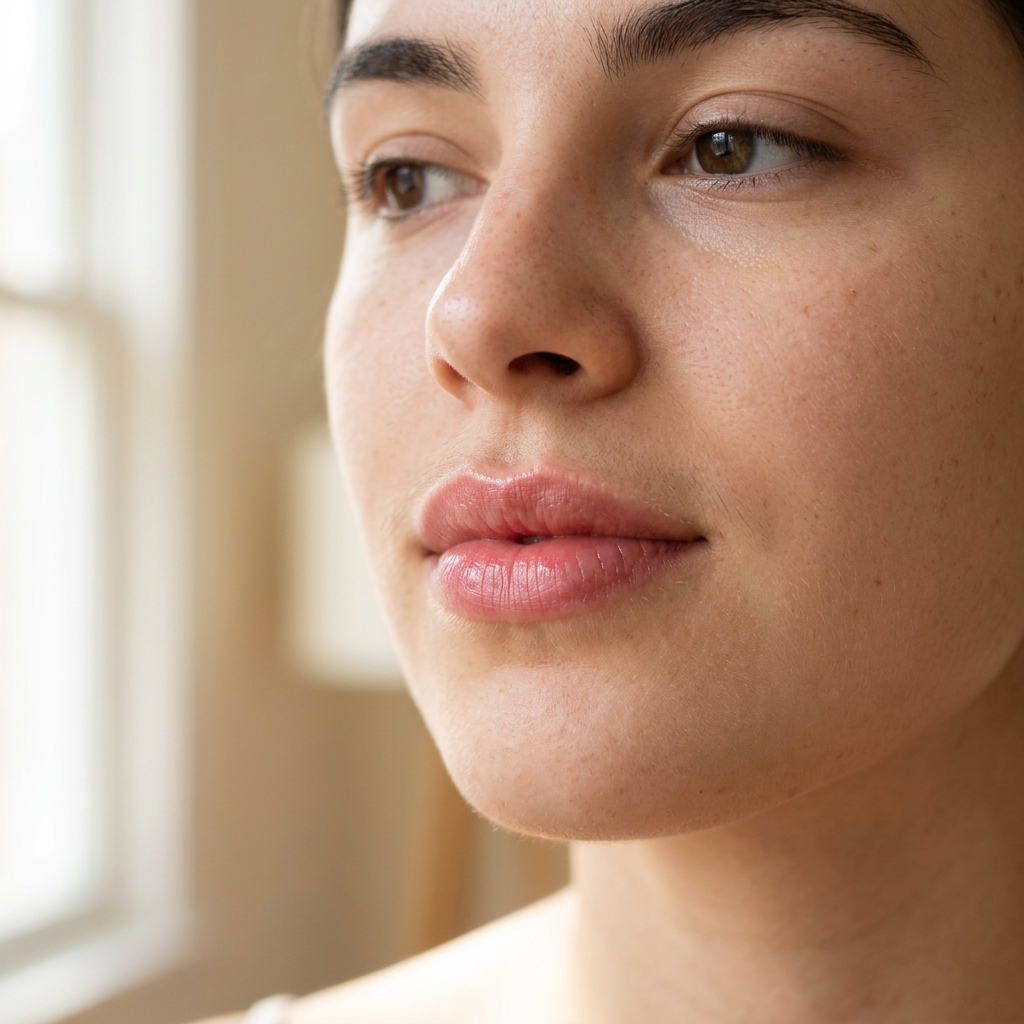 03 — Cosmetic Triggers — Resolves With Trigger Avoidance
Allergic Contact Reactions
Certain lipstick ingredients (carmine, rhodamine dyes), lip balms, toothpastes, and fragrances cause a delayed hypersensitivity that manifests as persistent dark patches — often mistaken for 'lipstick staining.' Common in women aged 20–40.
Appearance: Irregular dark patches, sometimes with mild peeling. Worsens with continued product use.
 04 — Medical — Requires Blood Investigation
Systemic & Hormonal Causes
Conditions including iron-deficiency anemia, hypothyroidism, vitamin B12 deficiency, Addison's disease, and Lichen Planus Pigmentosus can all present with dark lip discolouration. These require medical investigation — cosmetic treatment alone will not resolve them.
Appearance: Often associated with systemic symptoms. Pigmentation may be widespread, not just on the lips.
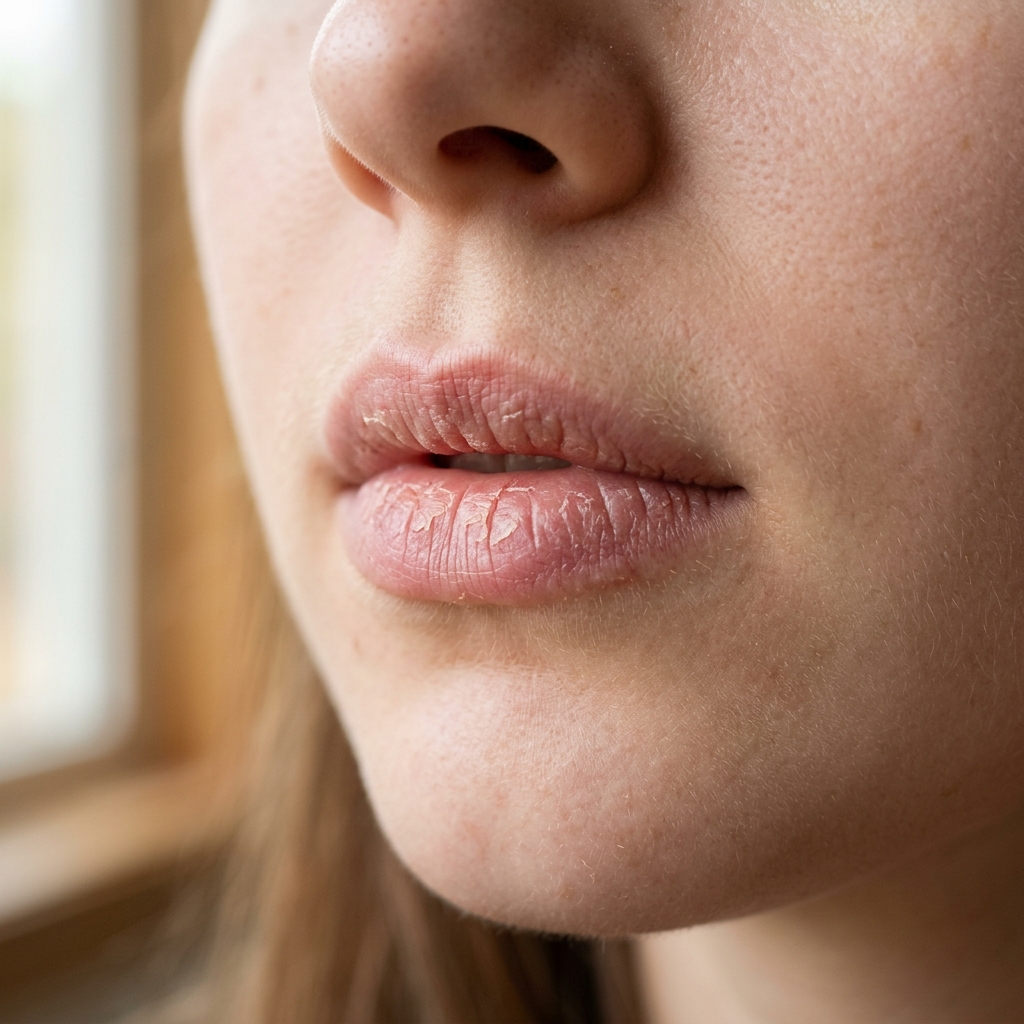 05 — Habits — Behaviour + Treatment
Lip Licking & Friction
Habitual lip licking deposits saliva repeatedly on the lip skin, disrupting the barrier and causing chronic low-grade inflammation — a classic cause of perioral hyperpigmentation. Biting or picking at lips causes post-inflammatory pigmentation.
Appearance: Dark ring around the lip border, sometimes with dryness or flaking.
 06 — Genetic — Manageable, Not Pathological
Constitutional / Hereditary Pigmentation
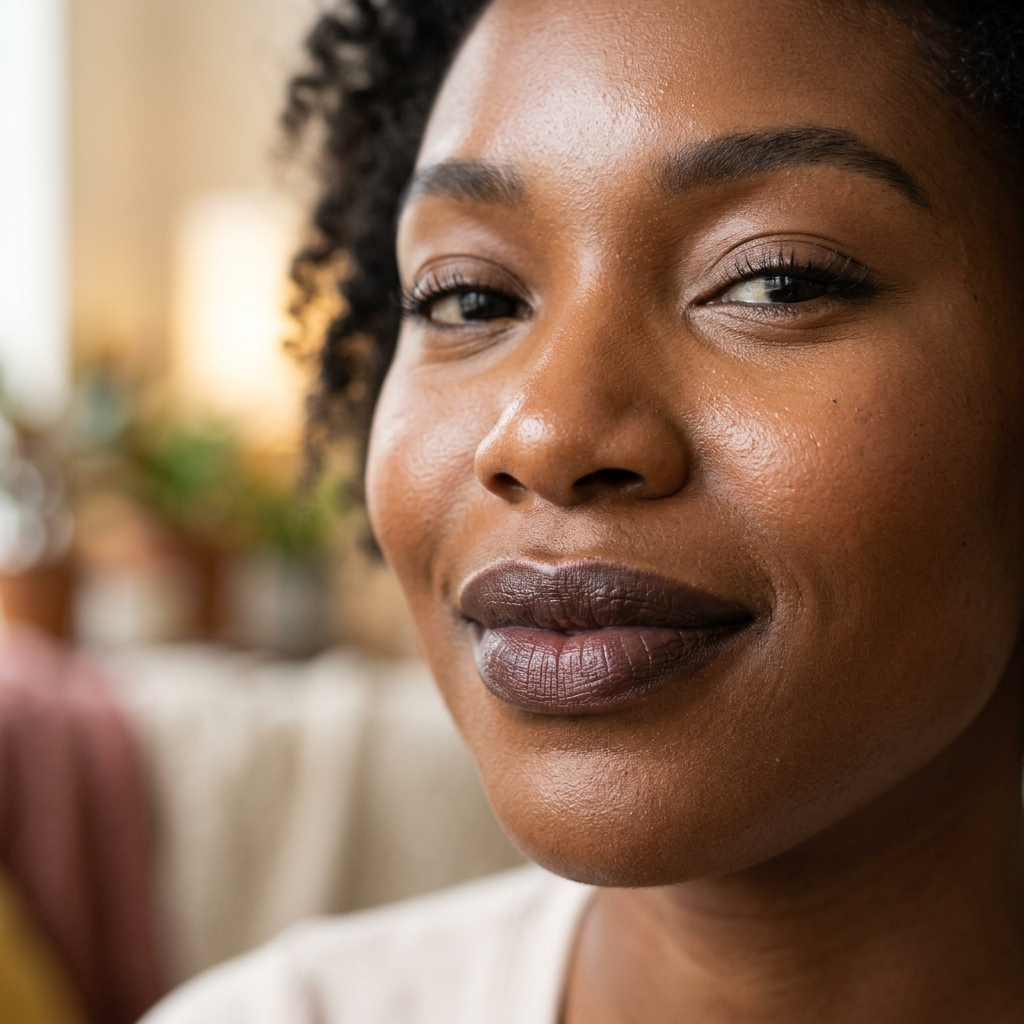
Some individuals naturally have darker lips due to higher baseline melanin — particularly common in South Asian skin tones. This is not a disease but can be lightened if desired, though treatment expectations need to be adjusted accordingly.
Appearance: Present from a young age, uniform, stable darkening without a clear triggering event.
Lip Pigmentation Treatments Available at DermaTales, Delhi
There is no universal 'best treatment' for lip pigmentation — the correct protocol depends on your specific cause, skin tone, and severity. Below is a clinical overview of what we offer, when each treatment is used, and what you can realistically expect. Most patients do best with a combination approach rather than a single modality.
Treatment Comparison Table
| Treatment | Best For | Sessions | Downtime | Efficacy |
|---|---|---|---|---|
| Q-Switch Nd:YAG Laser | Sun damage, smokers' melanosis, diffuse dark lips | 4–6 sessions, 3–4 wks apart | Zero – mild redness 24 hrs | BEST FOR MOST |
| Lip Chemical Peel | Mild-moderate pigmentation, post-cosmetic reaction | 4–8 sessions, 2–3 wks apart | Light flaking 3–5 days | GOOD |
| Topical Depigmenting | Mild pigmentation, maintenance, home care | Ongoing, reviewed 6 wks | None | ADJUNCT |
| Combination Protocol | Stubborn, mixed-depth pigmentation | 4–6 alternating sessions | Minimal | HIGHEST EFFICACY |
| Carbon Laser Facial | Mild sun pigmentation, lip toning | 4–6 sessions monthly | Zero | GOOD FOR MILD |
| Trigger Avoidance | Cosmetic allergy-related pigmentation | Patch test + follow-up | None | CURATIVE IF CONTACT |
Q-Switch Nd:YAG Laser for Dark Lips — How It Works
- Emits nanosecond pulses of 1064nm or 532nm light energy that selectively target melanin pigment
- Shatters melanin granules without damaging surrounding lip tissue — cleared by your lymphatic system
- Safe for Indian/South Asian skin tones at appropriate fluence — minimises post-inflammatory hyperpigmentation (PIH) risk
- Sessions last 15–20 minutes; numbing cream applied beforehand
- Gradual lightening over 4–6 weeks as broken melanin clears
- Visible improvement typically from session 3 onwards
Medical-Grade Lip Chemical Peels
- Mandelic acid, glycolic acid, or lactic acid peels formulated specifically for delicate lip skin
- Exfoliates pigmented epidermal cells and stimulates accelerated cell turnover
- Best used in combination with laser — alternating sessions improve outcomes by 30–40%
- Particularly effective for perioral (around-the-mouth) pigmentation and lip border darkening
- Light flaking for 3–5 days post-peel — manageable with prescribed barrier cream
Prescription Topical Protocol (Home Maintenance)
- Kojic acid, niacinamide, azelaic acid, or low-percentage hydroquinone based on severity
- Applied once daily to maintain and extend in-clinic treatment results
- Not a standalone solution — adjunct to laser/peels for moderate-severe pigmentation
- Includes SPF-50 lip balm — critical daily step to prevent relapse
- Reviewed every 6 weeks; formulation adjusted as pigmentation responds
Lip Pigmentation Treatment Cost at DermaTales, Patel Nagar Delhi
We believe in transparent pricing. The table below provides honest, indicative costs at DermaTales, Patel Nagar for the most common lip pigmentation treatments. Final cost depends on severity, number of sessions required, and whether combination protocols are needed — all determined after your first consultation.
| Treatment | Per Session | Recommended Sessions | Estimated Total |
|---|---|---|---|
| Q-Switch Nd:YAG Laser (Lip) | ₹3,000 – ₹6,000 | 4–6 sessions | ₹12,000 – ₹36,000 |
| Lip Chemical Peel | ₹2,000 – ₹4,500 | 4–8 sessions | ₹8,000 – ₹36,000 |
| Carbon Laser Lip Toning | ₹2,500 – ₹5,000 | 4–6 sessions | ₹10,000 – ₹30,000 |
| Combination Protocol | Packaged pricing | 4–6 sessions | ₹18,000 – ₹40,000 |
| Initial Consultation | ₹800 – ₹1,200 | 1 session | — |
COST ADVISORY
Package pricing for multiple sessions reduces the per-session cost by 15–20%. Consultation fees are typically adjusted against the first treatment session. Do not choose a clinic based solely on the lowest price — under-qualified operators using incorrect laser settings can cause permanent scarring or worsened pigmentation, especially on darker Indian skin tones. Always verify your provider is an MD Dermatologist.
Pre- & Post-Treatment Guidelines
Pre-Treatment Checklist
- Apply prescribed preparatory cream as directed for 2 weeks
- Remove all lip colour, balm, or lip product before arriving
- Inform the doctor of any new medications since last session
- Stay well-hydrated — avoid alcohol 24 hours prior
- Arrive with no active cold sore or lip infection (reschedule if present)
- Apply SPF-50 lip balm consistently in the 2 weeks leading up
Post-Treatment Restrictions
- No matte or long-wear lipstick for 72 hours post-session
- No sun exposure for at least 48–72 hours — use SPF lip balm outdoors
- No hot beverages, steam, or sauna for 24 hours
- Do not pick or rub the treated lip area — let peeling occur naturally
- No glycolic acid or retinol lip products for 1 week after treatment
- Do not smoke — this directly counteracts treatment results
Who Is a Good Candidate for Lip Pigmentation Treatment?
Lip pigmentation treatment is appropriate for most adults with hyperpigmented lips — but there are clear groups for whom treatment should be approached differently or postponed. Understanding whether you are a good candidate before booking saves time and ensures your safety.
GOOD CANDIDATES
- Adults (18+) with dark, brown, or patchy lip pigmentation that has developed over time
- Individuals with sun-induced, smoking-related, or cosmetic-allergy dark lips
- Indian/South Asian skin (Fitzpatrick III–V) who want safe, calibrated treatment
- Patients with stable medical health and no active lip infections
- Former smokers who have quit and want to address residual melanosis
- Those who tried topical remedies with limited results
- Patients able to commit to 4–6 sessions spaced 3–4 weeks apart
NOT RECOMMENDED IF
- Pregnant or breastfeeding (postpone treatment until after)
- Active cold sore, herpes labialis, or lip infection (reschedule)
- Known history of keloid scarring — higher risk with laser
- Uncontrolled diabetes or immunosuppressive conditions
- Continue to smoke without intent to quit — relapse will be rapid
- Unrealistic expectations — 'perfectly pink' lips not guaranteed for all
- On photosensitising medications — discuss with Dr. Varshney first
Why Choose DermaTales for Lip Pigmentation Treatment in Delhi?
1. Cause-First Diagnosis
We identify why your lips are dark before prescribing treatment. This is not standard practice at volume clinics — and it is why our results last longer and relapse rates are lower.
2. Indian Skin Expertise
Dr. Varshney's protocols are calibrated specifically for Fitzpatrick III–V skin tones — the precise fluence and wavelength settings that deliver results without triggering post-inflammatory hyperpigmentation (PIH).
3. Dermoscopy-Guided Diagnosis
We assess lip pigmentation under 10× dermoscopic magnification before treatment — this allows us to identify the depth of pigmentation and choose the correct laser wavelength and peel strength.
4. 2-Week Pre-Treatment Protocol
We prepare your lip skin before the first laser session — a step that most Delhi clinics skip entirely and that significantly reduces the risk of adverse reactions.
5. Progress-Tracked Sessions
Clinical photographs are taken at every session under standardised lighting. You see your progress objectively — not just anecdotally — and treatment adjustments are made based on documented response.
6. Transparent Cost & Plan
You receive a written treatment plan with the number of sessions, expected outcomes, and total cost estimate after your first consultation. No surprise upsells mid-treatment.
Lip Pigmentation Treatment in Delhi — Patient FAQs

Dr. Pooja Varshney
Fellowship in Cosmetology with 10+ years of clinical expertise in dermatology and advanced cosmetic treatments.
Know More